
What Is Manual Machining
author: Yannis
2025-04-14


Cultivated in CNC Machine Industry for 20+ years.
Specializing in CNC Milling, Drilling, Turning, Tapping, and so on...
Self-created Brand LiSN for 10+ Years



What Is Manual Machining
In an era dominated by CNC (Computer Numerical Control) technology and CNC machines, manual machining remains a fundamental and respected practice in the manufacturing world. Understanding what manual machining entails helps us appreciate its unique value, especially when compared to automated processes. This blog will explore the ins and outs of manual machining, its operation, applications, and how it fits into the modern manufacturing landscape.
The Essence of Manual Machining
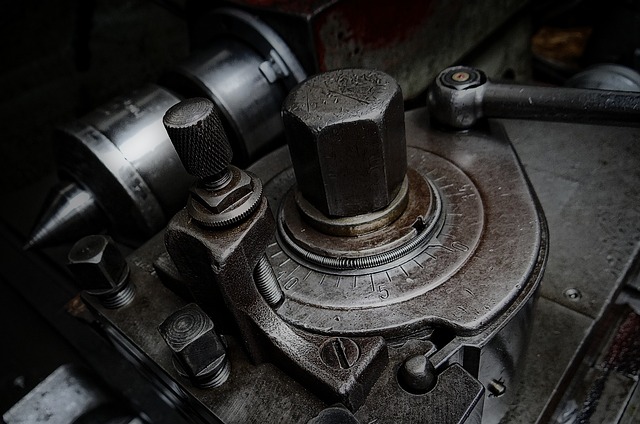
Manual machining is a traditional manufacturing process where operators directly control machine tools to shape workpieces. Unlike CNC machines, which rely on pre-programmed computer instructions, manual machining puts the operator at the helm. Using handwheels, levers, and switches, operators manage the movement of cutting tools, adjust spindle speeds, and control the depth of cuts. This hands-on approach requires a combination of technical knowledge, skill, and experience.
Anatomy of Manual Machining Operations
Machine Tools Involved
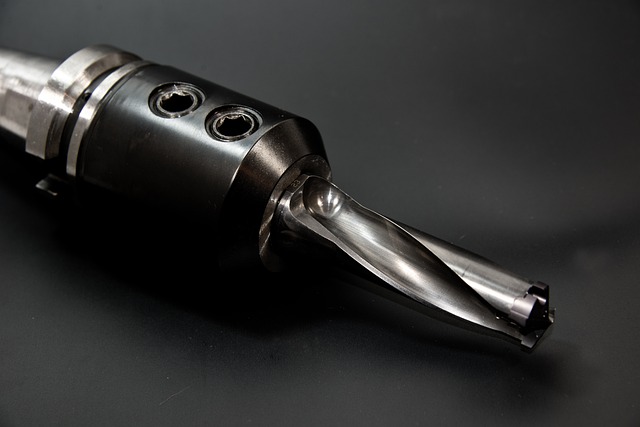
Common machine tools used in manual machining include lathes, mills, drill presses, and grinders. For example, on a manual lathe, the operator positions the cutting tool and rotates the workpiece by hand-cranking the spindle controls. In a manual milling machine, levers are used to move the table and the cutting head, enabling the removal of material from the workpiece in various shapes.
Operator-Driven Precision
The precision achieved in manual machining is highly dependent on the operator’s proficiency. A skilled machinist can achieve impressive accuracy, but it requires constant attention. The operator must visually inspect the workpiece, feel the resistance of the cutting tool against the material, and make real-time adjustments. For instance, when turning a metal rod into a shaft on a manual lathe, the operator carefully monitors the diameter with calipers and fine-tunes the cut depth accordingly.
Advantages of Manual Machining
Flexibility in Customization
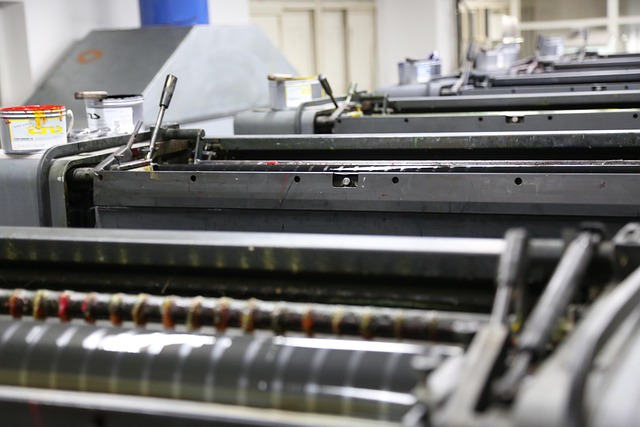
One of the primary advantages of manual machining is its flexibility, especially for custom or one-off projects. Since the operator can make immediate changes during the machining process, it’s ideal for creating unique parts that don’t fit standard molds. Artists and artisans often use manual machining to craft bespoke metal sculptures or wooden furniture pieces, where each detail can be adjusted on the fly.
Lower Initial Investment
Manual machining typically requires less capital upfront compared to purchasing CNC machines. Basic machine tools are often more affordable, making it accessible for small businesses, hobbyists, or educational institutions with limited budgets. Maintenance costs can also be more manageable, as many repairs can be carried out with basic mechanical skills.
Skill Development and Training
Manual machining serves as a crucial foundation for learning machining principles. For apprentices and students, operating manual machines helps them understand how different cutting tools interact with materials, the importance of proper tool selection, and basic machining techniques. This hands-on experience is invaluable before transitioning to more advanced CNC machines.
Disadvantages in Comparison to CNC Machining
Limited Precision and Repeatability
While skilled operators can achieve good precision, manual machining generally cannot match the consistent, high-level precision of CNC machines. CNC machines can produce parts with micron-level accuracy repeatedly, whereas manual operations may have slight variations between parts due to human factors like fatigue or judgment.
Lower Productivity
Manual machining is slower compared to automated CNC machining. Each operation requires the operator’s continuous attention, and tasks like tool changes and setup take longer. For large-scale production runs, the human-paced nature of manual machining makes it less efficient than CNC machines, which can operate continuously with minimal supervision.
Applications of Manual Machining
Small-scale Manufacturing and Prototyping
In small workshops, manual machining is commonly used for producing small batches of parts or creating prototypes. When developing a new product, designers can quickly machine a prototype using manual tools to test the concept before investing in CNC programming for mass production.
Artisanal and Hobbyist Work
The artisanal and hobbyist communities frequently rely on manual machining. Woodturners use manual lathes to create unique bowls and vases, while jewelry makers shape precious metals with manual mills and drills. The tactile control and creative freedom offered by manual machining are highly valued in these fields.
Maintenance and Repair
In maintenance and repair scenarios, manual machining is often the go-to method. When fixing a piece of machinery, mechanics may need to machine a custom replacement part on-site. The flexibility of manual machining allows them to quickly fabricate parts that fit the specific requirements of the repair job.
Conclusion
Manual machining may seem traditional in the age of CNC technology, but it continues to hold its ground. Its unique strengths in customization, affordability, and skill development ensure its relevance in various manufacturing contexts. While CNC machines dominate large-scale, high-precision production, manual machining remains an essential part of the manufacturing ecosystem, bridging the gap between craftsmanship and automation.


What Is A Manual Machine
How Does CNC Machining Differ From Traditional Manual Machining
Related Article

Poor surface finish, inconsistent dimensions, vibration, or an unexpected stop doesn’t always mean something is wrong with your CNC lathe. Worn tooling, poor workholding, and unsuitable cutting parameters can cause many of the same symptoms.
Common problems and solutions for CNC lathes

How to Choose a CNC Lathe for Shaft Machining: A Guide to Types, Models, Materials, and Machining Capacity

