What Is Manual VS CNC Lathe
author: Yannis
2025-04-10

Cultivated in CNC Machine Industry for 20+ years.
Specializing in CNC Milling, Drilling, Turning, Tapping, and so on...
Self-created Brand LiSN for 10+ Years



What Is Manual VS CNC Lathe
In the manufacturing domain, both manual lathes and CNC lathes are pivotal tools for shaping cylindrical workpieces. As CNC (Computer Numerical Control) technology continues to advance, understanding the distinctions between these two types of lathes becomes crucial for businesses and artisans alike. This blog will dissect the differences between manual lathes and CNC lathes, exploring their operation, precision, productivity, and applications.

Operation Mechanism
Manual Lathes
A manual lathe relies on direct human operation. The operator controls the movement of the cutting tool using handwheels and levers. They must manually adjust the spindle speed, feed rate, and depth of cut based on their experience and judgment. For instance, when turning a piece of metal rod into a shaft, the operator visually inspects the workpiece, feels the resistance of the tool against the material, and makes real-time adjustments. This hands-on approach demands a high level of skill and dexterity.
CNC Lathes
CNC lathes, on the other hand, are automated. They operate based on pre-programmed instructions, typically written in G-code. After a 3D model of the desired part is created using CAD/CAM software, the CAM software generates the G-code program. The CNC controller then interprets these instructions and sends precise electrical signals to servo-motors connected to the machine's axes. These motors move the cutting tool and rotate the spindle with minimal human intervention during the machining process.

Precision and Repeatability
Manual Lathes
The precision of a manual lathe largely depends on the operator's proficiency. While a highly skilled operator can achieve impressive accuracy, there is room for human error. Each cut may vary slightly due to factors like fatigue or inconsistent judgment. Producing identical parts repeatedly can be challenging, making manual lathes less suitable for applications requiring extremely tight tolerances.
CNC Lathes
CNC lathes excel in precision and repeatability. They can consistently produce parts with micron-level accuracy. Once the G-code program is set, the machine will execute the same operations with exacting consistency, ensuring that every part meets the same dimensional specifications. This makes CNC lathes ideal for industries like aerospace and medical device manufacturing, where precision is paramount.

Production Efficiency
Manual Lathes
Manual operation limits the production speed of manual lathes. The operator's physical ability to manipulate the controls and change tools restricts throughput. Setup times can also be relatively long, especially for complex parts. However, for small-batch or one-off projects, the quick setup and adaptability of manual lathes can be an advantage.
CNC Lathes
CNC lathes are designed for high-volume production. They can run continuously, 24/7 if required, without the need for constant human supervision. Automatic tool changers on many CNC lathes enable seamless transitions between different machining operations, further boosting efficiency. For example, a CNC lathe can perform turning, threading, and drilling on a single workpiece in one setup, significantly reducing production time.

Cost Considerations
Manual Lathes
Manual lathes generally have a lower initial purchase cost. They are simpler in design, lacking the complex computer systems and advanced electronics of CNC lathes. Maintenance costs are also often more manageable, as they rely on mechanical components that are relatively easy to repair. However, labor costs can be higher in the long run, as skilled operators are required to run the machines.
CNC Lathes
CNC lathes come with a higher upfront investment due to their sophisticated control systems, CAD/CAM software requirements, and advanced hardware. They also demand trained programmers and operators, adding to the overall cost. But in high-volume production scenarios, the increased efficiency and reduced labor requirements can offset these initial expenses over time.

Applications
Manual Lathes
Manual lathes are commonly used in small workshops, artisanal settings, and educational institutions. They are ideal for creating custom parts, prototypes, and artistic items. Woodturners, for example, use manual lathes to craft unique wooden bowls and sculptures, leveraging the tactile control to add personal touches.
CNC Lathes
CNC lathes are prevalent in large-scale manufacturing industries such as automotive, aerospace, and electronics. They are used to produce components like engine shafts, turbine blades, and electronic housings that require high precision and mass production capabilities.

Conclusion
Both manual lathes and CNC lathes have their distinct strengths and applications. Manual lathes offer flexibility, hands-on control, and lower initial costs, making them suitable for small-scale, custom work. In contrast, CNC lathes provide unparalleled precision, high productivity, and repeatability, essential for large-volume, high-precision manufacturing. The choice between the two depends on factors such as production volume, precision requirements, budget, and the nature of the work.


What Is The Advantage of CNC Lathe
How Do You Explain What CNC Is
Related Article
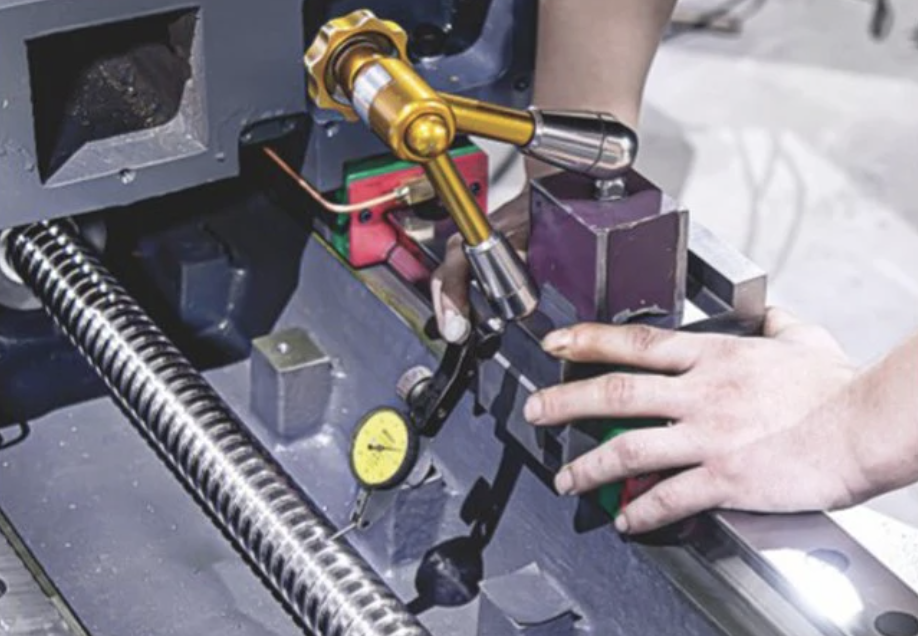
Poor surface finish, inconsistent dimensions, vibration, or an unexpected stop doesn’t always mean something is wrong with your CNC lathe. Worn tooling, poor workholding, and unsuitable cutting parameters can cause many of the same symptoms.
Common problems and solutions for CNC lathes
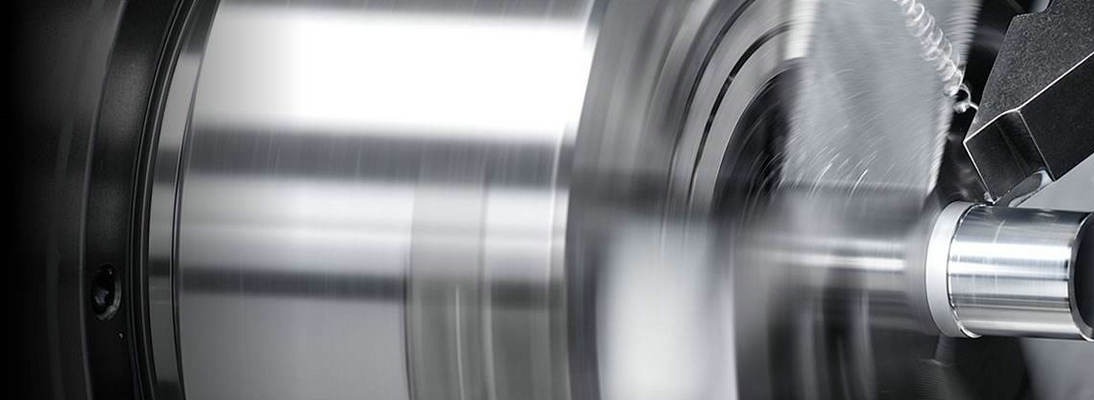
How to Choose a CNC Lathe for Shaft Machining: A Guide to Types, Models, Materials, and Machining Capacity