What Is Simultaneous 5-axis Machining
author: Yannis
2025-05-29

Cultivated in CNC Machine Industry for 20+ years.
Specializing in CNC Milling, Drilling, Turning, Tapping, and so on...
Self-created Brand LiSN for 10+ Years



What Is Simultaneous 5-axis Machining
In CNC (Computer Numerical Control) manufacturing, simultaneous 5-axis machining represents the pinnacle of precision and efficiency. Unlike conventional 3-axis or even basic 5-axis CNC machines, simultaneous 5-axis technology enables the cutting tool to move along all five axes—X, Y, Z, and two rotational axes—at the same time, with each axis working in perfect harmony. This blog explores what simultaneous 5-axis machining is, how it differs from other methods, and why it’s revolutionizing industries that demand the highest levels of accuracy and complexity.

The Essence of Simultaneous 5-axis Movement
At its core, simultaneous 5-axis machining involves the synchronized movement of all axes during the cutting process. This means the CNC machine can continuously adjust the tool’s orientation relative to the workpiece, maintaining an optimal cutting angle throughout the operation. For example, when machining a complex turbine blade, the tool not only follows the blade’s curved surface (linear movement along X, Y, Z) but also tilts and rotates (rotational movement around A and B axes) to keep the cutting edge perpendicular to the surface at all times. This level of control allows for the creation of geometries that would be impossible or extremely time-consuming with non-simultaneous methods.

Key Differences from Non-simultaneous 5-axis Machining
It’s important to distinguish simultaneous 5-axis machining from non-simultaneous (or positional) 5-axis methods. In non-simultaneous 5-axis machining, the rotational axes are used to position the tool or workpiece at specific angles, and then the cutting occurs along the linear axes only. This is akin to performing multiple 3-axis operations with the workpiece clamped at different angles. While this approach is suitable for simpler parts, it lacks the fluidity and precision of simultaneous 5-axis machining. Simultaneous 5-axis, on the other hand, allows continuous, real-time adjustment of all axes, enabling smooth, uninterrupted cuts even on the most intricate surfaces.

How Simultaneous 5-axis Machining Works
Simultaneous 5-axis machining relies on advanced CNC controllers and sophisticated software algorithms to coordinate the movement of all axes. The process begins with a detailed 3D model of the part, created using Computer-Aided Design (CAD) software. This model is then converted into a toolpath using Computer-Aided Manufacturing (CAM) software, which calculates the precise movements required for the tool to follow the part’s geometry while maintaining optimal cutting conditions. The resulting code, typically in G-code format, is loaded into the CNC machine’s controller, which interprets the instructions and drives the axes accordingly. During machining, the controller continuously monitors and adjusts the position of each axis to ensure the tool remains in the correct orientation, even as it moves through complex curves and angles.

Advantages of Simultaneous 5-axis Machining
The benefits of simultaneous 5-axis machining are far-reaching. First and foremost, it enables the production of highly complex parts with a single setup, reducing the need for multiple fixtures and repositioning. This not only saves time but also minimizes the risk of errors that can occur when transferring a workpiece between different setups. Additionally, simultaneous 5-axis machining allows for the use of shorter cutting tools, which are less prone to deflection and vibration, resulting in better surface finishes and tighter tolerances. For example, in the aerospace industry, simultaneous 5-axis machining is used to create components like engine casings and structural brackets with intricate internal passages and thin walls that would be impossible to achieve with conventional methods.
Another significant advantage is improved efficiency. By maintaining an optimal cutting angle throughout the process, simultaneous 5-axis machining reduces cutting forces, extends tool life, and increases material removal rates. This translates to shorter cycle times and lower production costs. In the medical field, for instance, simultaneous 5-axis machining is used to produce custom implants with complex geometries that match a patient’s unique anatomy, all while maintaining the high precision required for successful implantation.

Applications of Simultaneous 5-axis Machining
Simultaneous 5-axis machining finds its niche in industries where precision, complexity, and efficiency are paramount. In aerospace, it’s used to manufacture components such as turbine blades, impellers, and airfoils, where aerodynamic performance depends on smooth, precise surfaces. The automotive industry leverages simultaneous 5-axis machining for producing high-performance engine parts, molds for complex car components, and lightweight structural elements. In the medical sector, it’s employed to create patient-specific implants, surgical instruments with intricate shapes, and dental prosthetics. Even the world of art and luxury goods benefits from this technology, as it allows for the creation of intricate sculptures, jewelry molds, and high-end decorative items.

Challenges and Considerations
While simultaneous 5-axis machining offers numerous benefits, it’s not without its challenges. The technology requires sophisticated CNC machines with high-precision axes and advanced controllers, which come with a significant upfront cost. Additionally, programming simultaneous 5-axis toolpaths demands skilled engineers who are proficient in both CAD/CAM software and the nuances of 5-axis machining. The complexity of the process also means that thorough simulation and verification are essential to avoid collisions and ensure the toolpath is optimized. Furthermore, the maintenance and calibration of 5-axis CNC machines require specialized knowledge and equipment to maintain their accuracy over time.

The Future of Simultaneous 5-axis Machining
As technology continues to advance, simultaneous 5-axis machining is poised to become even more accessible and powerful. The integration of artificial intelligence (AI) and machine learning into CNC controllers is already starting to automate the optimization of toolpaths, reducing programming time and improving efficiency. Additionally, the development of hybrid manufacturing systems that combine simultaneous 5-axis machining with additive manufacturing techniques is opening up new possibilities for creating complex, multi-material parts in a single operation. These advancements are making simultaneous 5-axis machining an increasingly attractive option for manufacturers across a wide range of industries, from aerospace and automotive to medical and beyond.

Conclusion
Simultaneous 5-axis machining is a transformative technology that represents the cutting edge of CNC manufacturing. By enabling the synchronized movement of all five axes, it unlocks the ability to produce parts with unprecedented complexity, precision, and efficiency. While it presents challenges in terms of cost, programming, and maintenance, the benefits it offers—from reduced setup times and improved surface finishes to the ability to create once impossible parts—make it an invaluable tool for industries that demand the highest levels of innovation and quality. As CNC technology continues to evolve, simultaneous 5-axis machining will undoubtedly play a central role in shaping the future of manufacturing.

What Is 5-axis Machining
What Are The Benefits of 5-axis CNC Machining
Related Article
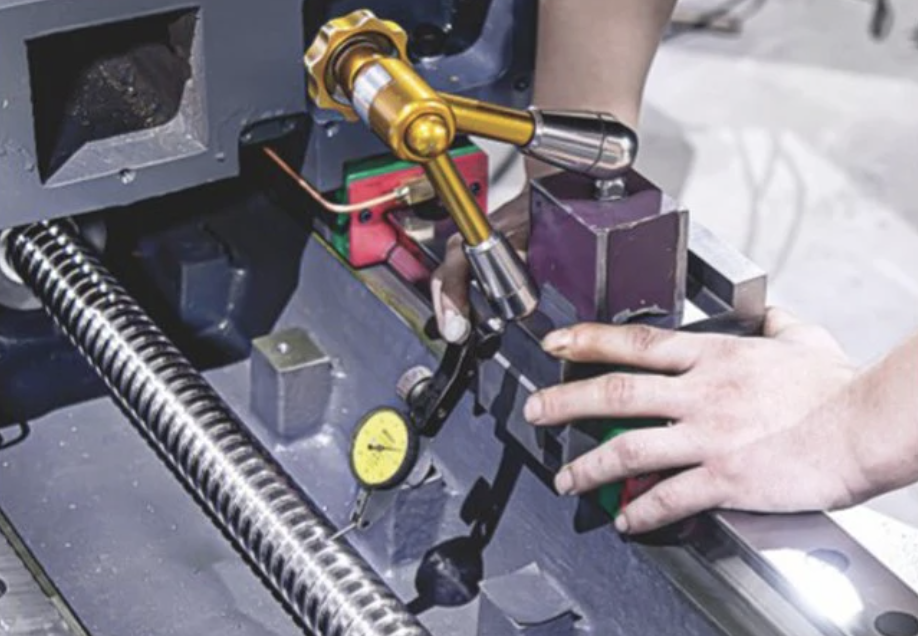
Poor surface finish, inconsistent dimensions, vibration, or an unexpected stop doesn’t always mean something is wrong with your CNC lathe. Worn tooling, poor workholding, and unsuitable cutting parameters can cause many of the same symptoms.
Common problems and solutions for CNC lathes
How to Choose a CNC Lathe for Shaft Machining: A Guide to Types, Models, Materials, and Machining Capacity