What Is The Advantage of HMC
author: Yannis
2025-04-02

Cultivated in CNC Machine Industry for 20+ years.
Specializing in CNC Milling, Drilling, Turning, Tapping, and so on...
Self-created Brand LiSN for 10+ Years



What Is The Advantage of HMC
In the ever-evolving landscape of modern manufacturing, CNC (Computer Numerical Control) machines have become the cornerstone of precision production. Among the diverse range of CNC machines, Horizontal Machining Centers (HMCs) offer a unique set of advantages that make them indispensable in various industries. This blog will delve into the multiple benefits that HMCs bring to the table.

The Backbone: CNC Technology
CNC machines revolutionized the manufacturing process by replacing manual operation with automated, computer-controlled systems. These machines interpret pre-programmed instructions, typically in G-code format, to precisely control the movement of cutting tools. HMCs are built on this advanced CNC foundation, inheriting its accuracy, repeatability, and flexibility.

Unparalleled Productivity
Efficient Chip Evacuation
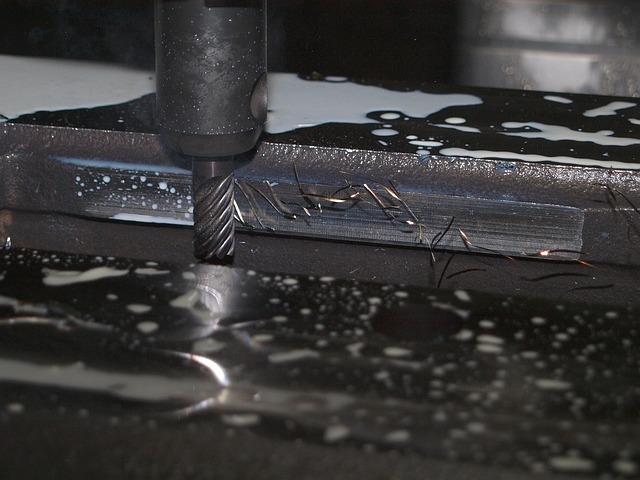
One of the most significant advantages of HMCs lies in their horizontal spindle orientation. Gravity aids in chip evacuation as the chips naturally fall away from the cutting area. This not only reduces the risk of chip re-cutting, which can damage both the workpiece and the cutting tool but also enables continuous machining. In contrast, vertical machining centers may struggle with chip management, leading to increased downtime for chip removal. With HMCs, manufacturers can maintain high-speed machining operations, ultimately boosting productivity.
Automatic Tool Changing
HMCs are equipped with automatic tool changers (ATCs) that can quickly swap cutting tools during the machining process. Some high-end HMCs can change tools in a matter of seconds. This eliminates the need for manual tool changes, reducing non-productive time. Multiple operations, such as milling, drilling, and boring, can be carried out on a single workpiece without interrupting the machining sequence. For instance, in the production of engine blocks for the automotive industry, an HMC can perform all the necessary machining operations in one setup, significantly shortening the production cycle.

Precision Machining
Multi-Axis Capability
Most HMCs feature multiple axes, typically three linear axes (X, Y, and Z) and two rotational axes (A and B). This multi-axis configuration allows for the machining of complex parts with high precision. The ability to rotate the workpiece on different axes enables manufacturers to create intricate geometries that would be challenging or impossible to achieve with a single-axis or limited-axis machine. In the aerospace industry, HMCs are used to machine turbine blades with aerodynamic profiles and tight tolerances. The CNC control system ensures that each movement of the axes is executed with micron-level accuracy.
Thermal Stability
HMCs are designed with features that enhance thermal stability. The horizontal spindle design distributes heat more evenly, reducing the likelihood of thermal deformation. This is crucial when machining parts that require extremely tight tolerances. For example, in the production of optical components, even a slight thermal distortion can affect the performance of the final product. The thermal stability of HMCs ensures consistent precision throughout the machining process.

Cost-Effectiveness
Reduced Setup Time
The multi-axis capabilities and automatic tool-changing features of HMCs significantly reduce setup time. With fewer setups required for a particular job, manufacturers can save both time and labor costs. Additionally, the ability to perform multiple operations on a single workpiece in one setup minimizes the need for additional equipment and handling. This streamlines the production process, making it more cost-effective in the long run.
Extended Tool Life
Thanks to efficient chip evacuation and reduced chip re-cutting, the cutting tools used in HMCs experience less wear and tear. This extends the lifespan of the tools, reducing the frequency of tool replacements. Lower tool costs, combined with increased productivity, contribute to overall cost savings for manufacturers.

Versatility in Material Machining
HMCs can handle a wide range of materials, from soft metals like aluminum to hardened alloys and even plastics. The high-speed spindles and advanced CNC control systems enable optimal machining parameters to be set for different materials. For example, when machining titanium alloys, which are commonly used in aerospace applications, HMCs can adjust the cutting speed, feed rate, and depth of cut to achieve the best results.

Conclusion
Horizontal Machining Centers (HMCs), powered by CNC technology, offer a plethora of advantages in terms of productivity, precision, cost-effectiveness, and versatility. These machines have become essential in industries such as aerospace, automotive, die and mold making, and many others. As manufacturing demands continue to grow, the advantages of HMCs will only become more pronounced, driving innovation and efficiency in the manufacturing sector.

What Is A Manual Lathe
What Is An HMC Machine Used For
Related Article
Poor surface finish, inconsistent dimensions, vibration, or an unexpected stop doesn’t always mean something is wrong with your CNC lathe. Worn tooling, poor workholding, and unsuitable cutting parameters can cause many of the same symptoms.
Common problems and solutions for CNC lathes
How to Choose a CNC Lathe for Shaft Machining: A Guide to Types, Models, Materials, and Machining Capacity