What Is The Advantage of VMC
author: Yannis
2025-03-27
What Is The Advantage of VMC
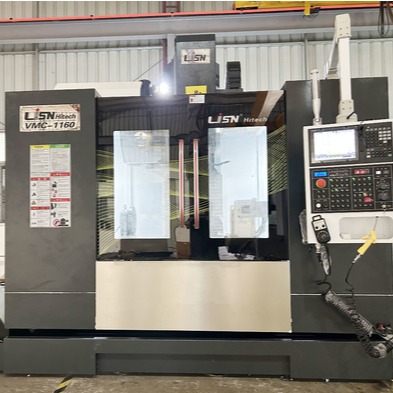
In the highly competitive realm of modern manufacturing, Vertical Machining Centers (VMCs), a class of CNC machines, have emerged as game-changers. They offer a host of advantages that significantly enhance productivity, quality, and flexibility in manufacturing processes. Let's explore the key benefits of VMCs and understand why they are so widely adopted across various industries.

Precision Machining Capabilities
Meeting Tight Tolerances
One of the most remarkable advantages of VMCs lies in their ability to achieve exceptional precision. Thanks to their computer-controlled CNC systems, VMCs can precisely position cutting tools, ensuring that parts are machined to extremely tight tolerances. In industries such as aerospace and medical device manufacturing, where even the slightest deviation can have significant consequences, VMCs are indispensable. For example, aircraft engine components require tolerances in the micron range. VMCs can accurately mill, drill, and bore parts to meet these exacting standards, guaranteeing the performance and safety of aerospace equipment.
Consistent Quality
The precision of VMCs also translates into consistent quality across multiple parts. Once a program is set up, the CNC system ensures that each part is machined with the same level of accuracy. This eliminates the variability often associated with manual machining, resulting in a higher-quality finished product. In automotive manufacturing, where thousands of identical parts need to be produced, VMCs play a crucial role in maintaining uniform quality, reducing the risk of defects and improving overall product reliability.

Enhanced Productivity
High-Speed Operations
VMCs are designed for high-speed machining. Their powerful spindles can rotate at speeds of up to 24,000 RPM or more, enabling rapid material removal. Combined with fast-moving axes, VMCs can complete machining operations in a fraction of the time it would take traditional machining methods. For instance, in mold and die making, where complex geometries need to be machined, VMCs can significantly reduce production time, allowing manufacturers to meet tight deadlines and increase their output.
Automated Tool Changing
Most VMCs are equipped with automatic tool changers (ATCs). This feature allows the machine to quickly switch between different cutting tools without operator intervention. As a result, multiple machining operations such as milling, drilling, and tapping can be performed in a single setup. The ATC reduces downtime between operations, keeping the machine running continuously and maximizing productivity. In electronics manufacturing, where small and intricate parts require a variety of machining operations, the automated tool-changing capability of VMCs is particularly advantageous.

Versatility in Machining
Multiple Operations in One Machine
VMCs are highly versatile machines that can perform a wide range of machining operations. Whether it's creating flat surfaces, milling complex 3D shapes, drilling holes, or tapping threads, VMCs can handle it all. This eliminates the need for multiple machines for different operations, reducing the floor space required in a manufacturing facility. For example, in the production of custom-made parts, VMCs can be programmed to perform all the necessary machining steps, from roughing to finishing, providing a one-stop solution for manufacturers.
Compatibility with Various Materials
VMCs can work with a diverse range of materials, including metals such as aluminum, steel, and titanium, as well as plastics, composites, and even wood. The ability to machine different materials makes VMCs suitable for a variety of industries. For instance, in the construction industry, VMCs can be used to machine components made of steel, while in the furniture industry, they can be used to shape wooden parts. This versatility allows manufacturers to diversify their product offerings and cater to different market demands.

Cost-Efficiency
Reduced Labor Costs
Automated operation is a key cost-saving advantage of VMCs. Once the machine is programmed and set up, it can run with minimal operator supervision. This reduces the need for skilled labor, as fewer operators are required to monitor the machining process. Additionally, the high productivity of VMCs means that more parts can be produced in less time, further reducing labor costs per unit. In mass production environments, the cost savings associated with reduced labor requirements can be substantial.
Lower Tooling Costs
The automated tool-changing feature of VMCs not only improves productivity but also helps reduce tooling costs. Since multiple operations can be performed with a single set of tools, there is no need to purchase separate tools for each operation. Moreover, the precision of VMCs ensures that tools last longer, as they are used more efficiently. This results in lower tool replacement costs over time.

Ease of Operation and Programming
User-Friendly Interfaces
Modern VMCs are equipped with user - friendly interfaces that make them easy to operate. The CNC control systems are designed to be intuitive, allowing operators to quickly input commands and monitor the machining process. Many VMCs also come with graphical displays that provide real-time information about the machine's status, tool position, and part dimensions. This makes it easier for operators to identify and address any issues that may arise during machining.
Simplified Programming
Programming VMCs has become increasingly straightforward with the advent of advanced software. Computer-aided design (CAD) and computer-aided manufacturing (CAM) software can generate the necessary CNC code automatically. Operators can simply import a 3D model of the part into the CAM software, and the software will generate the program for the VMC. This reduces the time and effort required for programming, making it accessible even to those with limited programming experience.

Conclusion
In conclusion, VMCs offer a comprehensive set of advantages that make them an essential asset in modern manufacturing. Their precision, productivity, versatility, cost-efficiency, and ease of operation make them suitable for a wide range of applications across various industries. As technology continues to advance, VMCs are likely to become even more sophisticated, further enhancing their capabilities and solidifying their position as a leading choice for manufacturers worldwide.


What Is The Difference Between CNC And Vertical Machining Center
What Is A VMC Machine Used For
Related Article
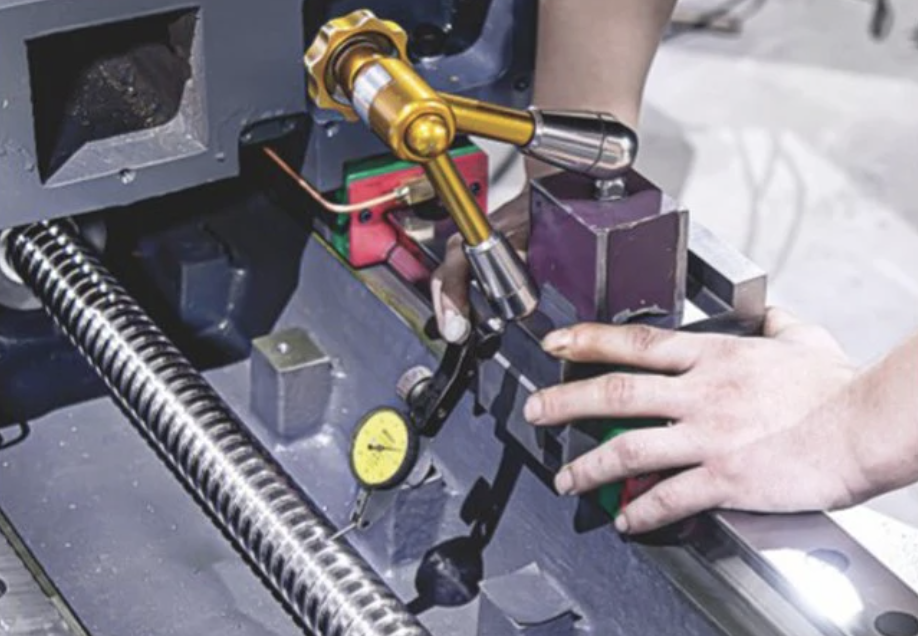
Poor surface finish, inconsistent dimensions, vibration, or an unexpected stop doesn’t always mean something is wrong with your CNC lathe. Worn tooling, poor workholding, and unsuitable cutting parameters can cause many of the same symptoms.
Common problems and solutions for CNC lathes
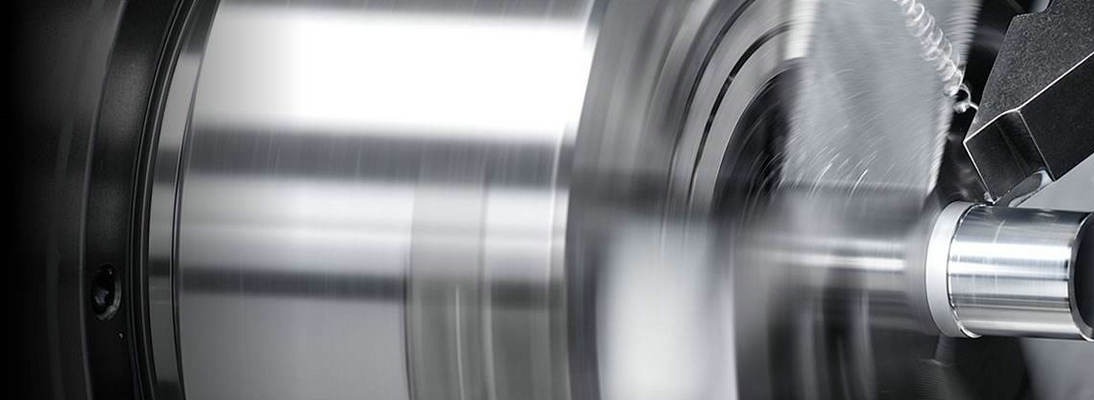
How to Choose a CNC Lathe for Shaft Machining: A Guide to Types, Models, Materials, and Machining Capacity