
What Is The Difference Between CNC And Lathe
author: Yannis
2025-04-23


Cultivated in CNC Machine Industry for 20+ years.
Specializing in CNC Milling, Drilling, Turning, Tapping, and so on...
Self-created Brand LiSN for 10+ Years



What Is The Difference Between CNC And Lathe
In the intricate world of machining, the terms CNC and lathe often surface, yet they represent distinct concepts with unique characteristics. CNC, short for Computer Numerical Control, is a technology, while a lathe is a type of machine tool. Understanding the differences between them is crucial for manufacturers, engineers, and hobbyists alike, as it helps in choosing the right equipment for specific projects. This blog will explore the key disparities between CNC and lathe, covering aspects such as their definitions, operations, capabilities, and applications.

Definitions and Basics
CNC is a revolutionary technology that uses computers to control machine tools. Instead of manual operation, CNC machines rely on pre-programmed instructions, typically written in G-code, to dictate the movement of the machine's components, spindle speeds, and tool operations. This technology can be applied to various machine tools, including lathes, mills, and routers, transforming them into highly automated and precise devices.
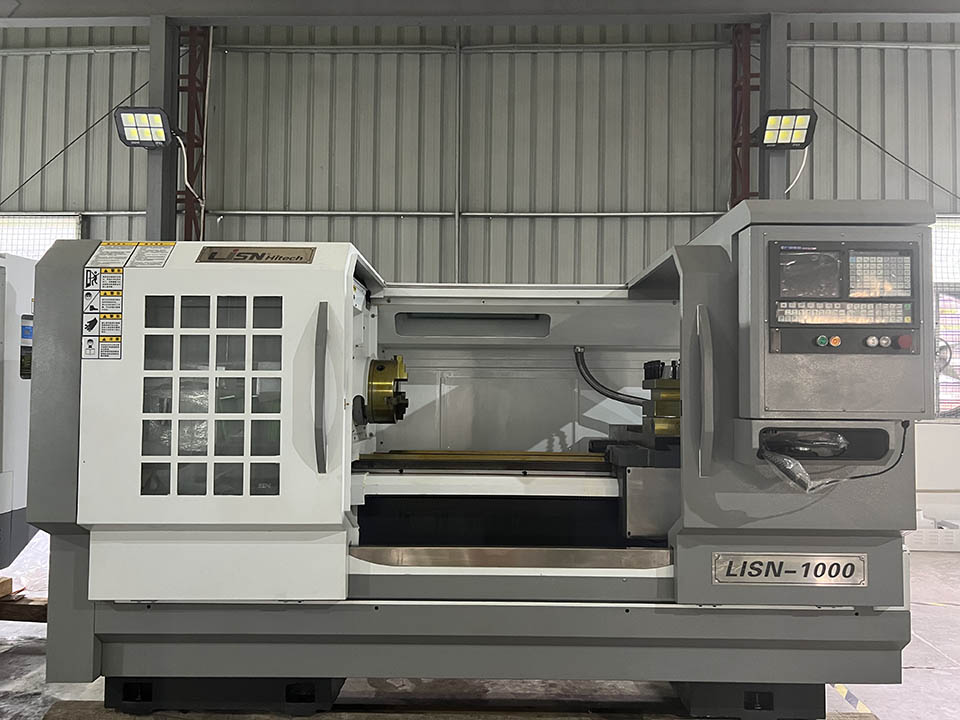
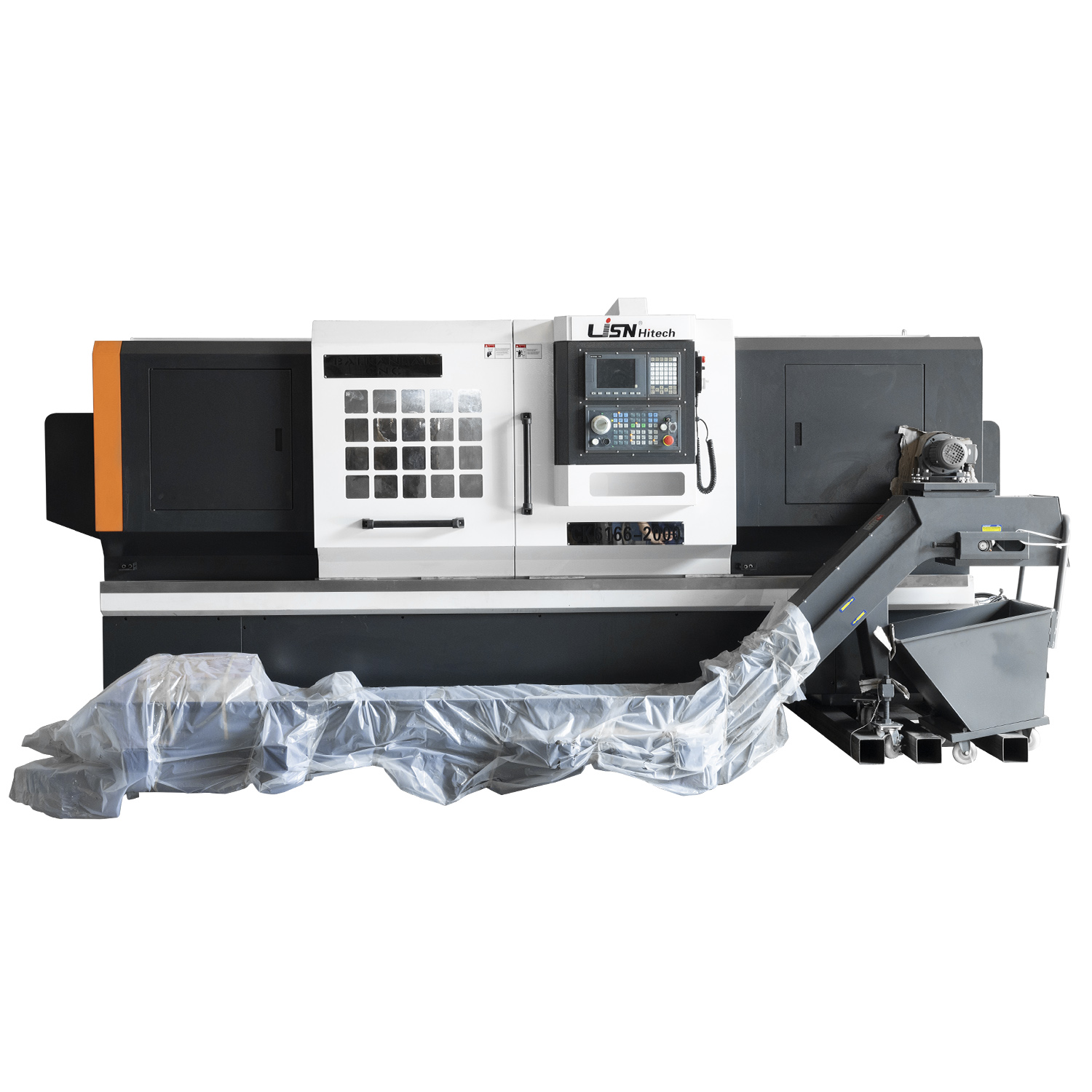
On the other hand, a lathe is a machine tool that rotates a workpiece on its axis to perform various operations such as cutting, sanding, knurling, drilling, and deformation. Traditional lathes are operated manually, where the operator controls the movement of the cutting tool using handwheels and levers. However, with the advent of CNC technology, lathes can also be equipped with CNC systems, becoming CNC lathes. These CNC lathes combine the functionality of a traditional lathe with the automation and precision of CNC technology.

Operation and Control
The operation of a traditional lathe is highly hands-on. The operator physically manipulates the controls to position the cutting tool, adjust the spindle speed, and determine the depth of cut. For example, when turning a cylindrical piece of metal on a manual lathe, the operator must carefully monitor the workpiece and make real-time adjustments to achieve the desired shape and dimensions. This requires a high level of skill and experience, as even minor mistakes can result in defective parts.
CNC - controlled machines, including CNC lathes, operate in a completely different manner. Once the program is created using CAD/CAM software and loaded into the CNC controller, the machine executes the instructions automatically. The CNC system precisely controls the movement of the tool along multiple axes, the rotation speed of the spindle, and other parameters. Operators only need to set up the workpiece, load the program, and monitor the process, reducing the need for constant manual intervention and minimizing the risk of human error.

Precision and Accuracy
Precision is a significant differentiator between CNC-enabled equipment and traditional lathes. CNC machines are renowned for their ability to achieve extremely high levels of accuracy. They can consistently produce parts with tolerances as tight as ±0.001mm, ensuring that each component meets exact specifications. This precision is maintained across multiple parts, making CNC lathes ideal for industries where consistency is crucial, such as aerospace and automotive manufacturing.
In contrast, while skilled operators can achieve good results with manual lathes, the precision is more variable. Factors such as operator fatigue, judgment, and the limitations of manual controls can lead to slight variations between parts. Producing identical components in large quantities with a manual lathe requires a great deal of effort and expertise, and achieving the same level of precision as CNC lathes is challenging.

Productivity and Efficiency
CNC machines, including CNC lathes, offer significant advantages in terms of productivity. Once programmed, they can run continuously for extended periods, often with minimal human supervision. Automatic tool changers on CNC lathes enable quick transitions between different cutting tools, reducing downtime and increasing the overall production speed. They are well-suited for high-volume production, where the ability to produce large quantities of parts in a short time is essential.
Manual lathes, on the other hand, have lower productivity due to the need for constant operator attention. Each operation requires the operator to adjust the controls, and tasks such as tool changes and setup take longer. While they are suitable for small-batch production or custom work, scaling up production with manual lathes becomes labor-intensive and time-consuming.

Cost and Investment
The cost of CNC machines is generally higher than that of traditional lathes. CNC lathes require an initial investment in the machine itself, as well as in CAD/CAM software for programming and training for operators. Additionally, maintenance costs for CNC lathes can be higher due to their complex electronic and mechanical systems. However, in the long run, the increased productivity and precision of CNC lathes can lead to cost savings, especially for large-scale production.
Manual lathes, on the other hand, have a lower upfront cost. They are more accessible for small workshops, hobbyists, or businesses with limited budgets. Maintenance is often simpler and can be carried out with basic mechanical skills. However, for high-volume or precision-intensive production, the cost per part may be higher with manual lathes due to lower productivity and potential rework.

Application Scenarios
Manual lathes are commonly used in small-scale workshops, artisanal settings, and for prototyping. They are ideal for creating custom parts, one-off items, or for tasks that require a high degree of manual dexterity and creativity. Hobbyists often use manual lathes to craft wooden bowls, metal jewelry, or other unique items.
CNC lathes, on the other hand, are widely used in industries that demand high precision and mass production. In the automotive industry, CNC lathes are used to manufacture engine components, transmission parts, and other critical parts. The aerospace industry relies on CNC lathes to produce high-precision parts for aircraft engines and structures. Their ability to produce complex geometries with tight tolerances makes them indispensable in these sectors.

Conclusion
In conclusion, CNC and lathe represent different approaches to machining, each with its own set of advantages and applications. CNC technology brings automation, precision, and high productivity to machining, while traditional lathes offer flexibility and are more accessible for small-scale or custom work. Understanding the differences between them is key to selecting the right equipment for specific manufacturing needs, whether it's producing high-precision parts for large industries or creating unique handmade items.

What Is CNC Manufacturing
What Is The Difference Between Machine Tool And Machine Center
Related Article

Poor surface finish, inconsistent dimensions, vibration, or an unexpected stop doesn’t always mean something is wrong with your CNC lathe. Worn tooling, poor workholding, and unsuitable cutting parameters can cause many of the same symptoms.
Common problems and solutions for CNC lathes

How to Choose a CNC Lathe for Shaft Machining: A Guide to Types, Models, Materials, and Machining Capacity

