What Is The Difference Between CNC And Machining Center
author: Yannis
2025-04-22

Cultivated in CNC Machine Industry for 20+ years.
Specializing in CNC Milling, Drilling, Turning, Tapping, and so on...
Self-created Brand LiSN for 10+ Years



What Is The Difference Between CNC And Machining Center
In the ever-evolving landscape of modern manufacturing, the terms CNC and machining center are frequently encountered. While they are related, there are distinct differences between them. CNC, short for Computer Numerical Control, is a revolutionary technology, and a machining center is a specialized type of CNC machine. This blog will explore and clarify these differences in detail, covering aspects such as their definitions, functions, capabilities, applications, and cost implications.
Definition and Concept
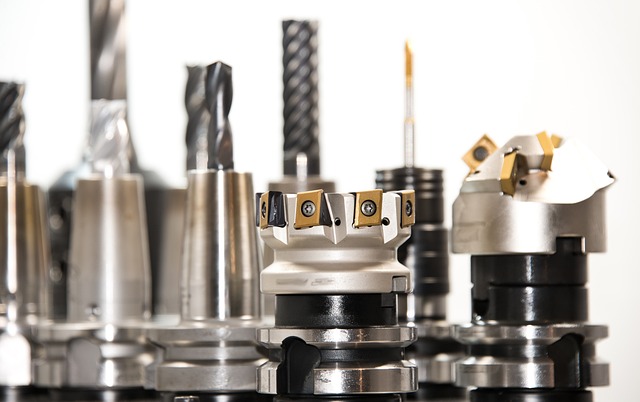
CNC represents a broad technological approach that utilizes computers to govern the operation of machine tools. At its core, CNC replaces the traditional manual control of machines. Instead of an operator manually adjusting levers, handwheels, and other physical controls, CNC machines rely on pre-programmed instructions, usually written in a standardized language known as G-code. These instructions precisely dictate every movement of the machine's components, the speed of the spindle, and the operation of cutting tools. In essence, CNC serves as a sophisticated control system that can be integrated into a wide variety of machine tools, including lathes, mills, routers, and more.
A machining center, on the other hand, is a specific kind of CNC machine with enhanced capabilities. It is engineered to perform multiple machining operations on a workpiece within a single setup. Machining centers combine functions like milling, drilling, boring, tapping, and sometimes even more specialized operations. By integrating these functions, they eliminate the need to move the workpiece from one machine to another for different operations. This unique design makes machining centers highly versatile and efficient, especially when dealing with complex manufacturing tasks.
Function and Capability
The primary function of CNC technology is to automate the control of machine tools, thereby improving precision and repeatability. CNC machines execute programmed instructions with remarkable accuracy, reducing the margin of human error that is inherent in manual machining. However, the specific operations that a CNC machine can perform are determined by its type. For example, a CNC lathe is mainly used for turning operations, shaping cylindrical workpieces by rotating them while a cutting tool removes material. A CNC mill, on the other hand, uses rotary cutters to remove material from a workpiece, enabling a wide range of cutting and shaping tasks.
Machining centers stand out for their ability to perform multiple operations without the need for reconfiguring the setup. A key feature that enables this is the automatic tool changer (ATC). The ATC stores a variety of cutting tools and can quickly and automatically swap them out as required by the machining program. This seamless tool change capability allows machining centers to transition smoothly between different operations, such as switching from milling a flat surface to drilling holes. Additionally, machining centers often have a multi-axis configuration, typically including the X, Y, and Z axes for linear movement, and sometimes additional rotary axes like A, B, or C. This multi-axis setup gives them the ability to create complex 3D geometries that are challenging or impossible to achieve with single-operation CNC machines.
Application Scenarios
CNC machines are widely applied across numerous industries, each leveraging their specific capabilities. In the automotive industry, CNC lathes play a crucial role in producing engine shafts, camshafts, and other cylindrical components. CNC mills are used to manufacture transmission parts, engine blocks, and various other intricate components. Small-scale manufacturing businesses and prototyping operations also rely on CNC machines due to their flexibility and precision in producing custom parts in small batches.
Machining centers, on the other hand, are particularly well-suited for industries that demand the production of complex parts. In the aerospace sector, they are used to machine highly precise components such as turbine blades, aircraft structural frames, and landing gear parts. The mold and die making industry also heavily depends on machining centers. These machines can produce molds with intricate details and complex shapes in a single setup, significantly reducing production time and costs compared to using multiple individual machines. Moreover, machining centers are commonly found in the medical device manufacturing industry, where the production of precision components for surgical instruments and implants requires high accuracy and repeatability.
Cost and Investment
The cost of CNC machines can vary significantly depending on their type and level of complexity. Basic CNC lathes or mills, which are designed for relatively straightforward operations, typically have a lower initial investment. This makes them an accessible option for small businesses, hobbyists, or educational institutions with limited budgets. However, as the capabilities of CNC machines increase, so does their cost. More advanced CNC machines with additional features like high-speed spindles, advanced control systems, and increased axis configurations can be quite expensive.
Machining centers, given their advanced functionality and integrated features, generally come with a higher price tag compared to standard CNC machines. The cost of a machining center not only includes the machine itself but also extends to the investment in CAD/CAM software for programming, as well as training for operators to effectively use the machine. Despite the substantial upfront cost, machining centers can offer long-term cost savings in high-volume and complex manufacturing environments. Their ability to perform multiple operations in one setup reduces labor costs, minimizes production time, and decreases the likelihood of errors that could lead to costly rework.
Conclusion
In conclusion, CNC is a fundamental technology that has transformed the way machine tools are controlled, providing automation, precision, and repeatability. A machining center is a specialized and highly advanced CNC machine that stands out for its ability to perform multiple machining operations within a single setup. Understanding the differences between CNC and machining centers is essential for manufacturers, engineers, and anyone involved in the manufacturing industry. Whether it's choosing the right equipment for a specific production task or evaluating cost-effective solutions, recognizing these distinctions helps in making informed decisions that can drive innovation and efficiency in manufacturing processes.
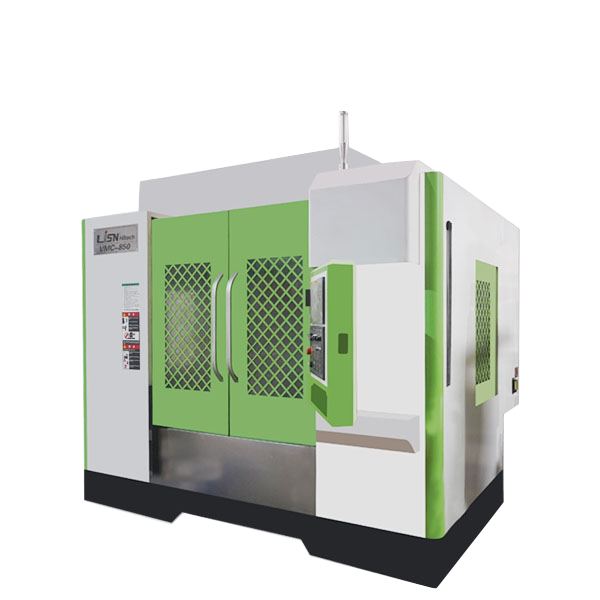


What Are The Components of A Machining Center
What Is The Machining Center Structure
Related Article
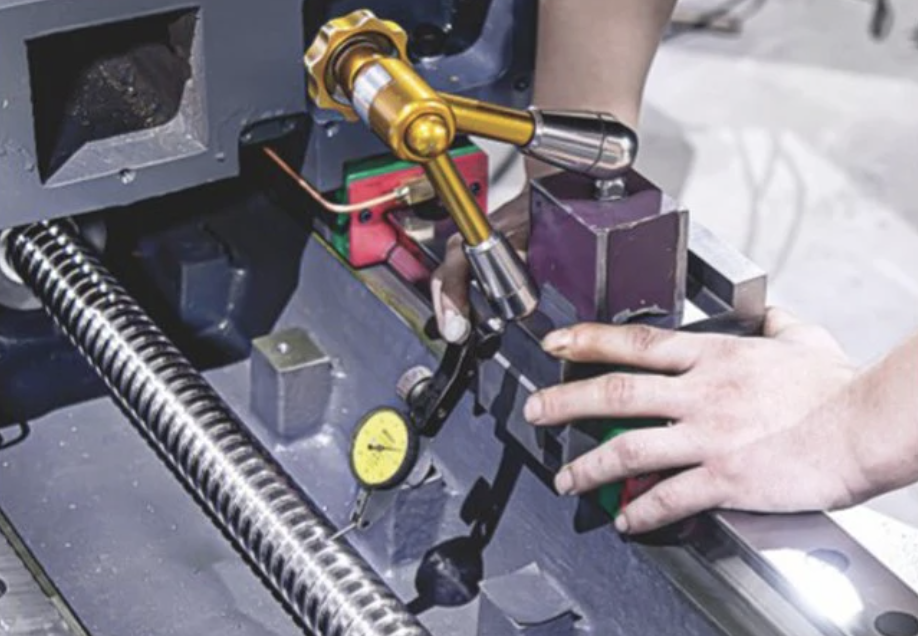
Poor surface finish, inconsistent dimensions, vibration, or an unexpected stop doesn’t always mean something is wrong with your CNC lathe. Worn tooling, poor workholding, and unsuitable cutting parameters can cause many of the same symptoms.
Common problems and solutions for CNC lathes
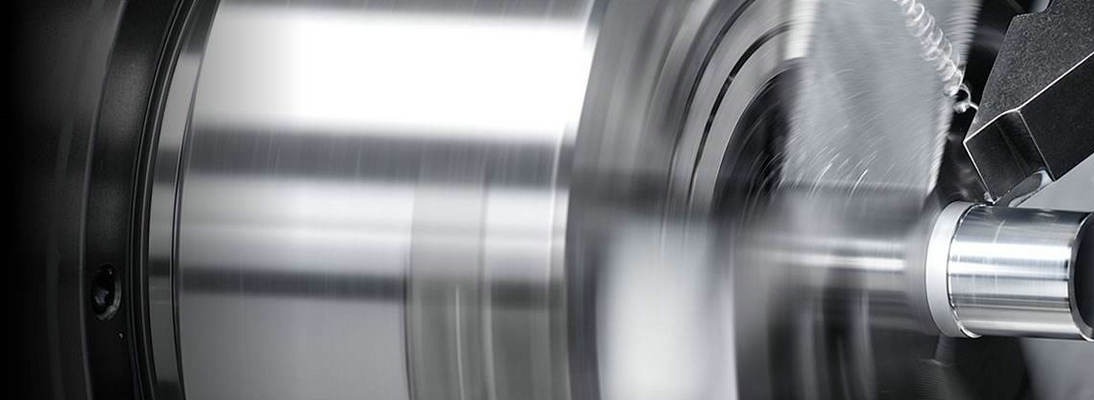
How to Choose a CNC Lathe for Shaft Machining: A Guide to Types, Models, Materials, and Machining Capacity