What Is The Difference Between CNC And Vertical Machining Center
author: Yannis
2025-03-27
What Is The Difference Between CNC And Vertical Machining Center
In the dynamic landscape of modern manufacturing, terms like CNC (Computer Numerical Control) and VMC (Vertical Machining Center) are frequently encountered. While they are related, there are distinct differences between them. Understanding these disparities can help manufacturers make informed decisions about the technology that best suits their needs.

Fundamental Definitions
Decoding CNC
CNC represents a revolutionary technology that replaces manual control of machine tools with computer-based automation. At its core, CNC is a system that interprets pre-written programs, typically in G-code format. These programs precisely direct the movement of various axes and functions of CNC machines. It’s an umbrella term that encompasses a wide range of manufacturing technologies, enabling high-precision and repeatable machining operations.
Defining VMC
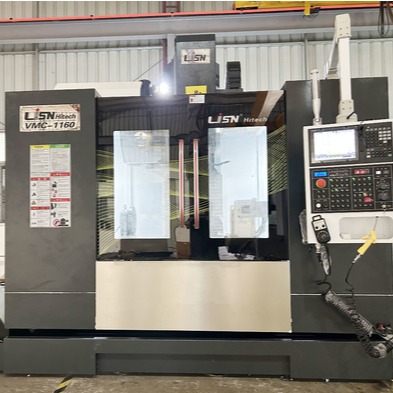
A VMC, on the other hand, is a specific type of CNC machine. It is characterized by its vertical spindle orientation. In a VMC, the cutting tool is mounted vertically, allowing for easy access to the workpiece from multiple sides. This design makes VMCs well-suited for operations such as milling, drilling, and tapping on a variety of workpieces.

Structural and Design Differences
CNC Machine Diversity
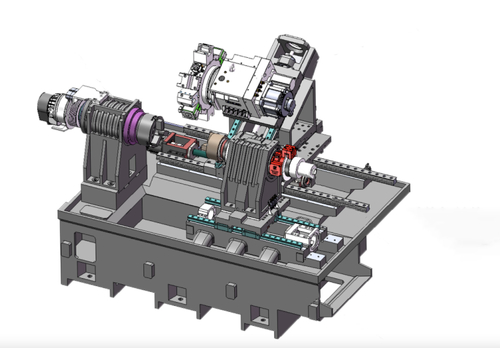
CNC technology is implemented in a vast array of machines. CNC lathes, for example, rotate the workpiece on an axis while a cutting tool shapes it into lindrical parts. CNC routers are used for cutting and shaping materials like wood, plastic, and foam. Each type of CNC machine has a unique design tailored to its specific machining tasks.
VMC Design Features
VMCs have a distinct design centered around their vertical spindle. The spindle is positioned perpendicular to the workpiece table, which usually moves along the X and Y axes. Many VMCs are equipped with automatic tool changers, allowing for quick and seamless transitions between different cutting tools. Additionally, some advanced VMCs feature a fourth axis, enabling more complex machining operations.

Application Scenarios
CNC Applications
CNC technology has a broad spectrum of applications across multiple industries. In the automotive industry, CNC machines are used to produce engine blocks, transmission components, and brake parts. In the aerospace sector, they manufacture critical components like turbine blades and aircraft structural parts. CNC technology’s adaptability allows it to cater to a wide range of part sizes and complexities.
VMC Applications
VMCs are commonly used in applications where access to the top and sides of the workpiece is crucial. In the mold and die-making industry, VMCs are used to create complex cavities and surfaces. They are also extensively used in the production of electronic components, where precision and the ability to machine small, intricate parts are essential.

Operation and Programming
CNC Operation
Operating CNC machines requires a basic understanding of CNC programming. Skilled operators use computer-aided design (CAD) and computer-aided manufacturing (CAM) software to create programs for the machines. These programs control the movement of the cutting tools, spindle speed, and feed rates. The operation of different CNC machines may vary depending on their design and function.
VMC Operation
Operating a VMC also involves programming, but the focus is often on operations suitable for its vertical spindle design. Operators need to consider factors such as chip evacuation, as the vertical orientation affects how chips are removed from the cutting area. The programming for VMCs is optimized for tasks like milling flat surfaces, drilling holes at various angles, and creating 3D geometries.

Cost Considerations
CNC Cost
The cost of CNC machines can vary significantly depending on their type, size, and capabilities. Specialized CNC machines for high-precision aerospace applications can be extremely expensive. However, for small-to-medium-scale manufacturers, there are more affordable CNC machines available that still offer decent precision and functionality.
VMC Cost
VMCs generally fall within a certain price range. Their cost is influenced by factors such as the size of the worktable, the number of axes, and the speed of the spindle. Compared to some other CNC machines, VMCs can be relatively cost-effective, especially for manufacturers who primarily need to perform milling and drilling operations on flat or slightly complex workpieces.
Conclusion
In conclusion, while VMCs are a subset of CNC machines, understanding the differences between CNC and VMCs is essential for manufacturers. CNC represents a broad technological concept, while VMCs are a specific type of machine with unique design features and applications. By grasping these differences, manufacturers can select the most appropriate technology to optimize their production processes, enhance efficiency, and achieve their manufacturing


What Is A Machining Center
What Is The Advantage of VMC
Related Article
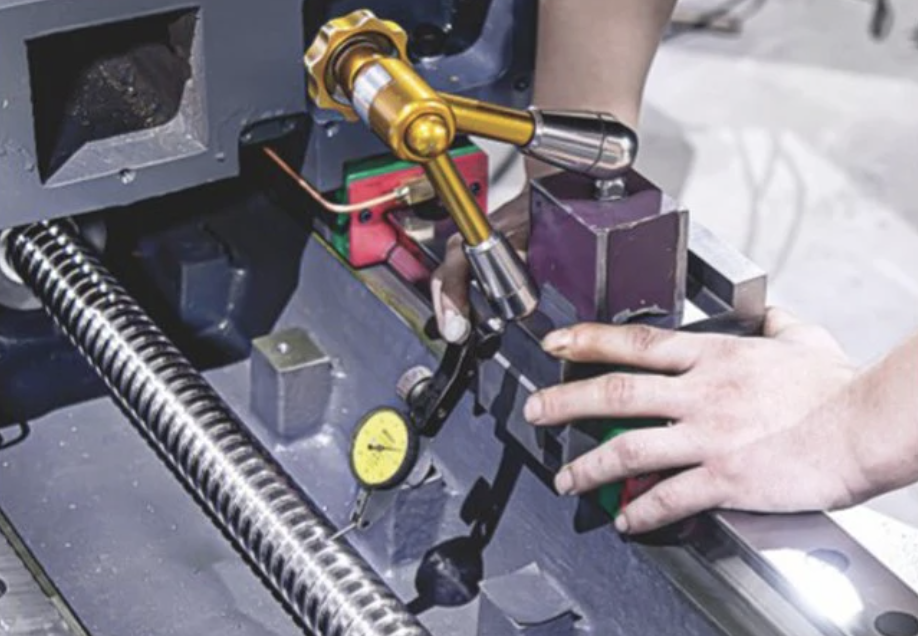
Poor surface finish, inconsistent dimensions, vibration, or an unexpected stop doesn’t always mean something is wrong with your CNC lathe. Worn tooling, poor workholding, and unsuitable cutting parameters can cause many of the same symptoms.
Common problems and solutions for CNC lathes
How to Choose a CNC Lathe for Shaft Machining: A Guide to Types, Models, Materials, and Machining Capacity