What Is The Difference Between Manual And Automatic Lathe
author: Yannis
2025-04-08

Cultivated in CNC Machine Industry for 20+ years.
Specializing in CNC Milling, Drilling, Turning, Tapping, and so on...
Self-created Brand LiSN for 10+ Years



What Is The Difference Between Manual And Automatic Lathe
In the manufacturing world, lathes are fundamental tools for shaping cylindrical workpieces. Among lathes, manual lathes and automatic lathes stand out, each with distinct characteristics. Understanding their differences is crucial for manufacturers aiming to optimize production. Additionally, CNC (Computer Numerical Control) technology, a key aspect of modern automatic lathes, has transformed the lathe operation. This blog explores the disparities between manual lathes and automatic lathes, shedding light on their applications, precision, and efficiency.

Operation Process
Manual Lathes
A manual lathe requires direct human interAvention throughout the machining process. The operator controls all aspects, from spindle speed adjustment to the movement of the cutting tool. Handwheels are used to position the tool precisely, and the operator must constantly monitor the progress, adjusting the cutting depth, speed, and direction based on their experience. For instance, in a small mechanical workshop, a skilled operator might use a manual lathe to create a custom shaft, relying on their sense of touch and sound to ensure the desired shape and finish.
Automatic Lathes
As, especially those powered by CNC technology, operate based on pre-programmed instructions. Once the program is set, the machine can perform multiple operations without continuous human supervision. CNC automatic lathes use G-code, a standardized language, to precisely control the automatic lathe ovement of the axes and the operation of the cutting tools. For example, in a large-scale automotive parts factory, CNC automatic lathes can produce thousands of identical engine components with consistent quality, reducing the need for constant operator attention.

Precision and Repeatability
Manual Lathes
The precision of a manual lathe heavily depends on the operator’s skill level. While a highly experienced operator can achieve remarkable precision, there is always a margin of human error. Each operation may vary slightly, affecting the overall consistency of the parts. For one-off or custom projects where some variation is acceptable, manual lathes can be sufficient. However, for applications requiring tight tolerances, manual operation becomes challenging.
Automatic Lathes
Automatic lathes, particularly CNC-equipped ones, offer unparalleled precision and repeatability. The computer-controlled system can execute the same program repeatedly with micron-level accuracy. This makes them ideal for industries such as aerospace and medical device manufacturing, where even the slightest deviation can have significant consequences. CNC automatic lathes can produce parts with consistent dimensions, ensuring seamless integration in complex assemblies.

Production Efficiency
Manual operation limits the production speed of manual lathes. The operator’s physical ability to move the tools and change operations restricts the overall throughput. Each setup and operation requires time, making manual lathes less suitable for high-volume production. However, for small-batch or one-off jobs, the quick setup time of manual lathes can be an advantage.
Automatic Lathes
Automatic lathes are designed for high-volume production. They can perform multiple operations in a single setup, and the continuous operation without human intervention significantly increases productivity. CNC automatic lathes can run 24/7, reducing production time and costs in the long run. For example, in the production of screws and bolts, CNC automatic lathes can churn out thousands of units in a short period.

Cost
Manual Lathes
Manual lathes generally have a lower initial cost. They are simpler in design and do not require complex programming systems. Maintenance costs are also relatively low, as they rely on mechanical components that are easier to repair. Additionally, they do not require specialized software or highly trained operators, reducing overall costs. However, the labor cost associated with manual operation can be high, especially for large - scale production.
Automatic Lathes
Automatic lathes, especially CNC-controlled ones, have a higher initial investment. They require advanced computer systems, precision motors, and complex programming software. Skilled programmers and operators are needed to set up and maintain the machines, adding to the cost. However, in high-volume production, the increased efficiency and reduced labor requirements can offset the initial investment.

Applications
Manual Lathes
Manual lathes are commonly used in small-scale workshops, artisanal production, and educational institutions. They are suitable for creating custom parts, prototypes, and artistic items where the operator’s creativity and hands-on skills are essential. For example, woodturners use manual lathes to create unique wooden bowls, and jewelry makers use them to shape metal pieces.
Automatic Lathes
Automatic lathes, especially CNC models, are widely used in industries that require high- precision and high-volume production. The automotive, aerospace, and electronics industries rely on CNC automatic lathes to produce components with tight tolerances and consistent quality.

Conclusion
Both manual lathes and automatic lathes have their place in the manufacturing world. Manual lathes offer flexibility, hands-on control, and a lower initial investment, making them suitable for small-scale and custom production. On the other hand, automatic lathes, particularly those powered by CNC technology, provide high precision, repeatability, and efficiency, making them indispensable for large-scale, high-volume production. Understanding the differences between these two types of lathes enables manufacturers to make informed decisions, optimizing production processes and achieving their manufacturing goals.


What Is The Advantage of Manual Lathe
When Was The Manual Lathe Invented
Related Article
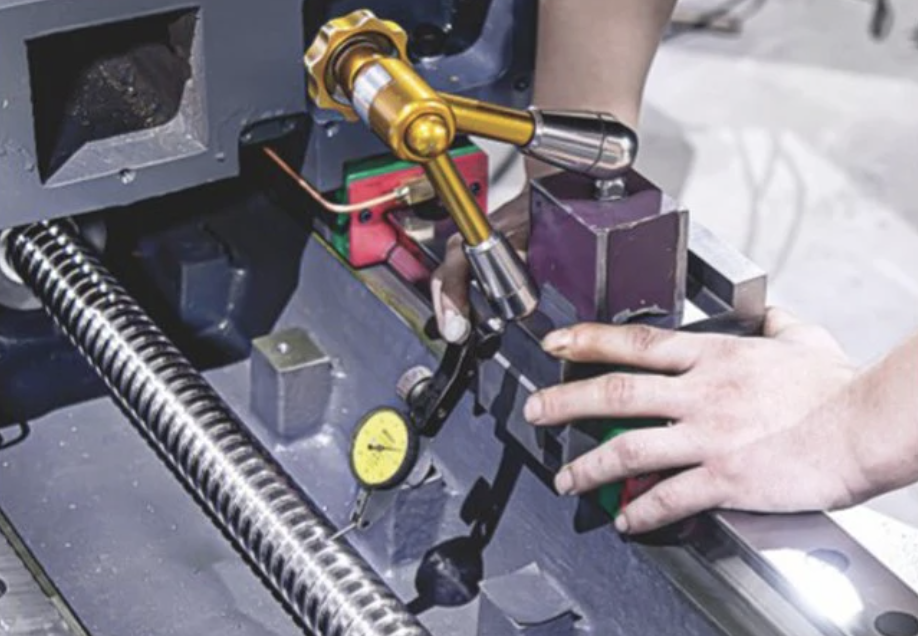
Poor surface finish, inconsistent dimensions, vibration, or an unexpected stop doesn’t always mean something is wrong with your CNC lathe. Worn tooling, poor workholding, and unsuitable cutting parameters can cause many of the same symptoms.
Common problems and solutions for CNC lathes
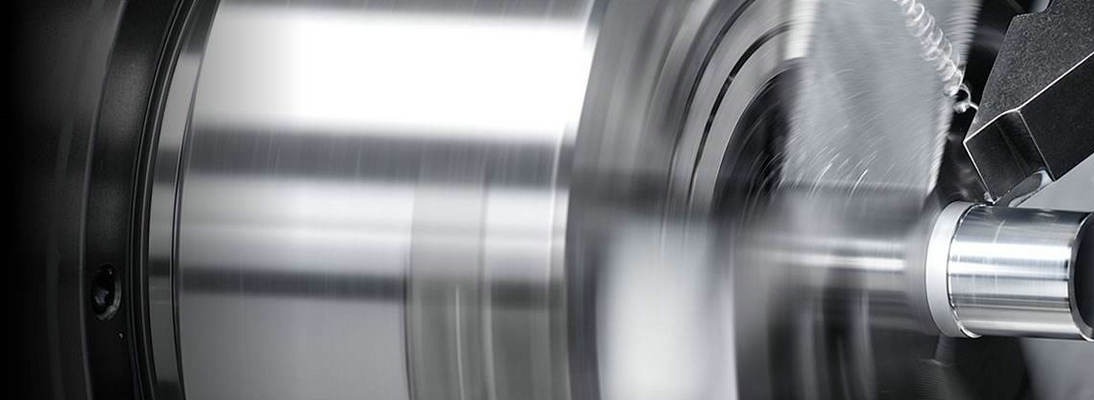
How to Choose a CNC Lathe for Shaft Machining: A Guide to Types, Models, Materials, and Machining Capacity