What Is The Difference Between Manual And CNC Lathe
author: Yannis
2025-04-11

Cultivated in CNC Machine Industry for 20+ years.
Specializing in CNC Milling, Drilling, Turning, Tapping, and so on...
Self-created Brand LiSN for 10+ Years



What Is The Difference Between Manual And CNC Lathe
In the ever-evolving world of machining, manual lathes and CNC lathes stand as two distinct powerhouses. As CNC (Computer Numerical Control) technology propels manufacturing into new frontiers, understanding the disparities between these lathes is essential for businesses aiming to optimize production and hobbyists seeking the right tool for their projects. This blog meticulously breaks down the differences between manual lathes and CNC lathes, highlighting how each type caters to unique manufacturing needs.

Operation: Hands-on Mastery vs. Automated Precision
Manual Lathes
Manual lathes epitomize the art of hands-on machining. Operators directly manipulate handwheels and levers to control every aspect of the cutting process. They adjust the spindle speed, position the cutting tool, and determine the depth of cut in real-time. For example, when crafting a custom metal shaft, the operator relies on tactile feedback and visual cues, making split-second decisions to shape the workpiece. This intimate control demands a high level of skill but offers the flexibility to adapt instantly to unexpected material variations or design changes.
CNC Lathes
CNC lathes, integral components of the CNC machine ecosystem, operate on a foundation of automation. Using CAD/CAM (Computer-Aided Design/Computer-Aided Manufacturing) software, intricate designs are translated into precise G-code programs. These programs are then fed into the CNC controller, which guides servo-motors to execute machining operations with astonishing accuracy. Once programmed, a CNC lathe can repeat complex tasks with sub-millimeter precision, eliminating human error from repetitive processes.

Precision: Skill-dependent vs. Unwavering Consistency
Manual Lathes
Precision on manual lathes is a testament to the operator’s expertise. While highly skilled machinists can achieve impressive tolerances, variations between parts are almost inevitable. Fatigue, judgment calls, or minor tool wear can lead to slight discrepancies. Each cut requires careful monitoring and adjustment, making it challenging to produce identical components in large quantities. However, for custom work, artistic pieces, or prototypes where uniqueness is celebrated, manual lathes shine.
CNC Lathes
CNC lathes redefine precision standards. Capable of maintaining tolerances as tight as ±0.001mm, they ensure uniformity across hundreds or even thousands of parts. In industries like aerospace, where the slightest deviation can have catastrophic consequences, or medical device manufacturing, where precision is non-negotiable, CNC lathes are the go-to choice. Whether machining a critical aircraft engine component or a delicate surgical instrument, these lathes deliver consistent, high-quality results every time.

Productivity: Human-paced vs. Round-the-clock Efficiency
Manual Lathes
Productivity on manual lathes is inherently limited by human speed and endurance. Setup times for tool changes or new operations can be substantial, and continuous operation demands constant operator attention. While well-suited for small-batch production or one-off custom jobs, scaling up to high-volume manufacturing with manual lathes becomes labor-intensive and time-consuming.
CNC Lathes
CNC lathes are engineered for maximum productivity. Equipped with features like automatic tool changers (ATCs), they can swap cutting tools in mere seconds, enabling seamless transitions between different machining operations on a single workpiece. With the ability to operate 24/7 with minimal human intervention during machining, CNC lathes can rapidly churn out large quantities of parts, significantly reducing production lead times.

Cost: Initial Economy vs. Long-term Value
Manual Lathes
Manual lathes typically come with a lower upfront cost. Lacking the advanced electronics, software, and complex control systems of CNC machines, they are more budget-friendly for entry-level users or small businesses. Maintenance is often simpler and can be handled in-house, relying on basic mechanical repairs. However, over time, labor costs can accumulate, especially for intricate projects that require skilled operators.
CNC Lathes
Investing in CNC lathes requires a more substantial initial outlay. The cost encompasses sophisticated hardware, software licenses, and training for operators. Despite the higher upfront expense, CNC lathes offer significant long-term savings. Automation reduces labor costs, optimized tool paths minimize material waste, and the reduced need for rework further enhances cost-efficiency. In high-volume production scenarios, the return on investment (ROI) of CNC lathes far outweighs the initial investment.

Application: Customization vs. Mass Production
Manual Lathes
Manual lathes find their niche in applications that prioritize customization and craftsmanship. Artisanal woodworkers use them to create unique bowls and sculptures, jewelers shape intricate metal pieces, and small-scale mechanical repair shops rely on them for custom parts. Their ability to quickly adapt to unique designs without the need for complex programming makes them a favorite among hobbyists and small-scale producers.
CNC Lathes
CNC lathes are the backbone of industries that demand mass-produced, high-precision parts. Automotive manufacturers utilize them to machine engine blocks, transmission components, and more. Electronics firms rely on CNC lathes for producing miniature, precisely engineered parts. Their capacity to handle complex geometries and maintain tight tolerances makes them indispensable in large-scale, standardized manufacturing environments.

Conclusion
Manual lathes and CNC lathes each have their own distinct strengths and applications. Manual lathes retain the charm of traditional craftsmanship, offering flexibility and affordability for custom work. On the other hand, CNC lathes harness the power of CNC technology to deliver unparalleled precision, productivity, and consistency for mass production. By understanding these differences, manufacturers, artisans, and enthusiasts can make informed decisions, choosing the lathe that best aligns with their specific goals and requirements.
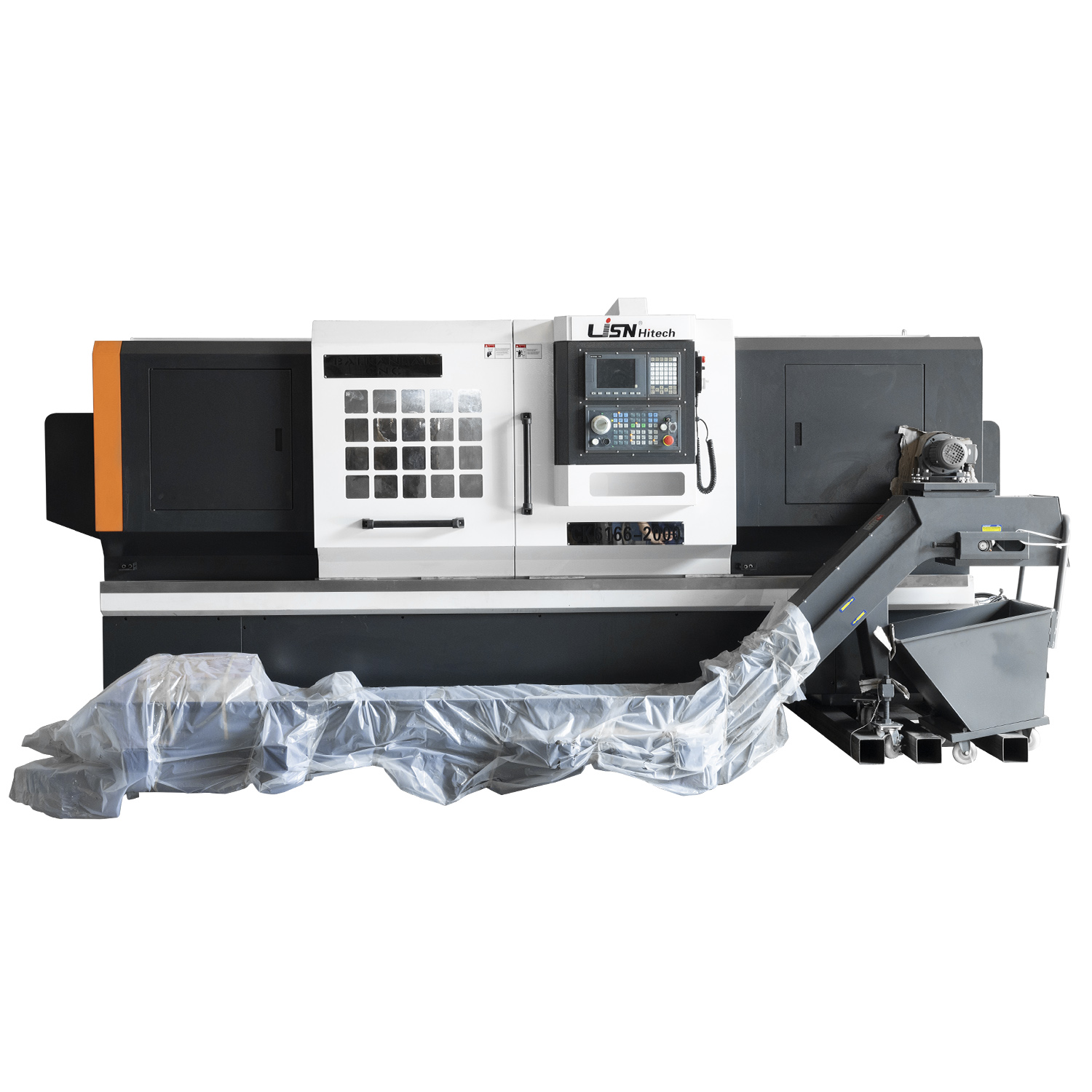

How Does CNC Machining Differ From Traditional Manual Machining
What Is The Advantage of CNC Lathe
Related Article
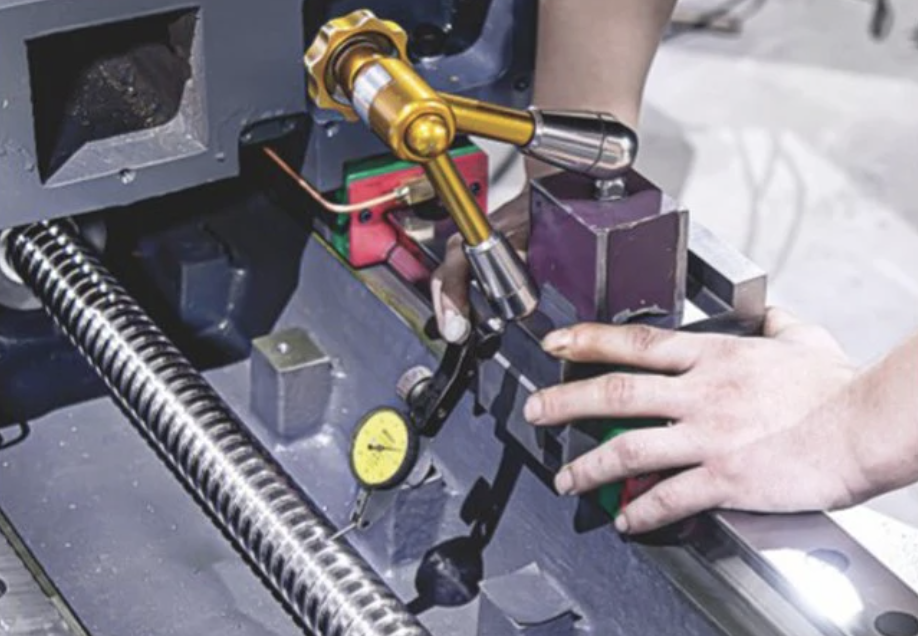
Poor surface finish, inconsistent dimensions, vibration, or an unexpected stop doesn’t always mean something is wrong with your CNC lathe. Worn tooling, poor workholding, and unsuitable cutting parameters can cause many of the same symptoms.
Common problems and solutions for CNC lathes
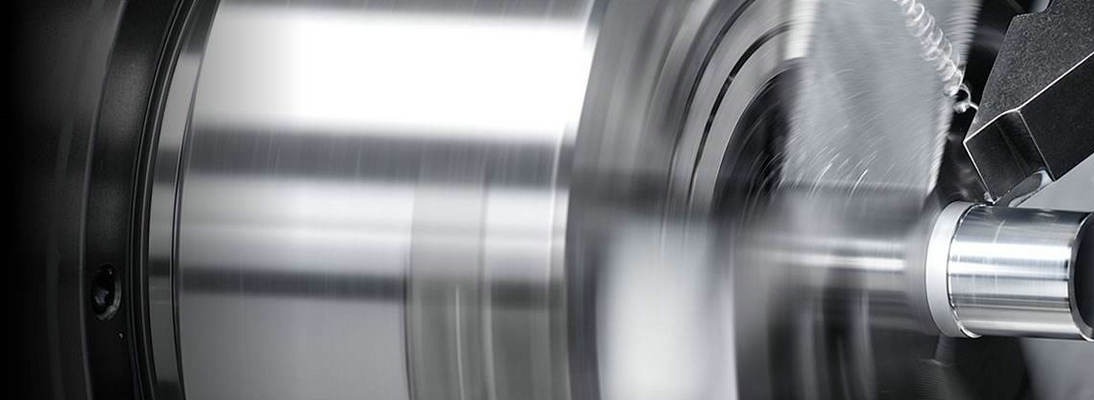
How to Choose a CNC Lathe for Shaft Machining: A Guide to Types, Models, Materials, and Machining Capacity