What Is The Industry Standard For CNC Machining
author: Yannis
2025-03-18
What Is The Industry Standard For CNC Machining
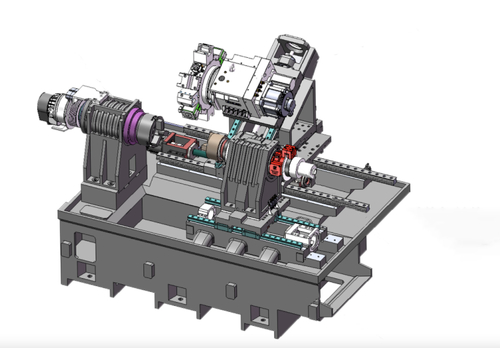
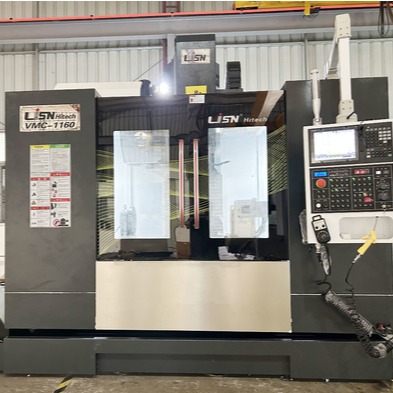
In the world of manufacturing, CNC machining has emerged as a cornerstone technology, enabling the creation of precise and complex parts with high efficiency. As this technology continues to evolve, it's crucial to understand the industry standards that govern CNC machining processes.
Understanding CNC and CNC Machines
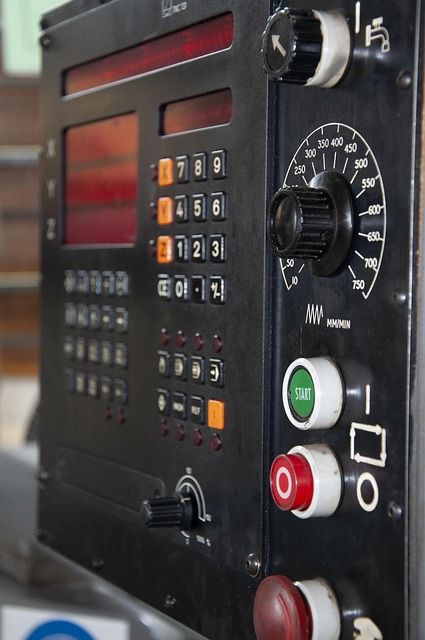
CNC, which stands for Computer Numerical Control, is a technology that uses pre-programmed computer software to control the
movment of factory tools and machinery. A CNC machine is equipped with this technology, allowing it to perform a variety of machining operations such as cutting, drilling, milling, and turning with a high degree of accuracy. These machines are capable of following specific instructions encoded in a G-code, which is a language used to communicate with the CNC machine's controller.
Importance of Industry Standards in CNC Machining
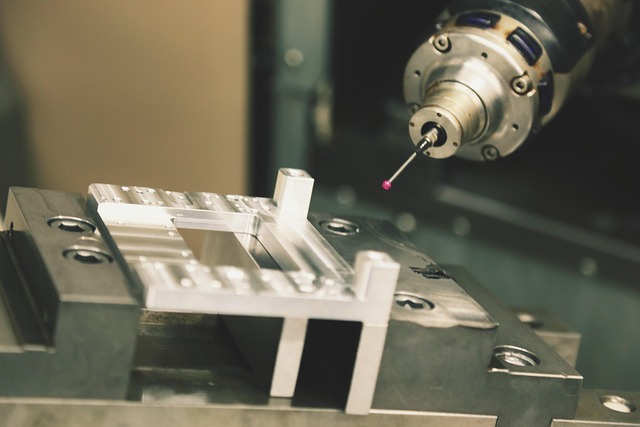
Industry standards in CNC machining play a vital role in ensuring consistency, quality, and safety across the manufacturing sector. They provide a common framework that manufacturers can adhere to, which helps in reducing errors, improving productivity, and enhancing the overall competitiveness of the industry. Standards also enable better communication between different stakeholders, including manufacturers, suppliers, and customers, as everyone is operating under the same set of guidelines.
Key Areas of Industry Standards
1. Machine Accuracy and Precision
One of the primary aspects of CNC machining standards is related to the accuracy and precision of the CNC machines. This includes factors such as the positioning accuracy of the machine axes, the repeatability of the tool movements, and the overall dimensional accuracy of the machined parts. Standards define the maximum allowable errors in these areas, ensuring that the parts produced meet the required specifications. For example, a high - precision CNC machining operation might have a tolerance of ±0.001 inches, and industry standards help in verifying that the machines can achieve such tight tolerances consistently.
2. Tooling and Tool Management
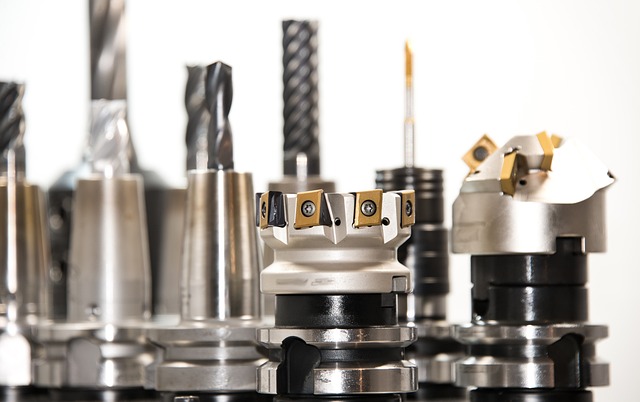
Proper tooling is essential for successful CNC machining. Industry standards cover aspects such as tool design, tool material selection, and tool life expectancy. They also provide guidelines on tool management, including tool changing procedures, tool storage, and tool maintenance. For instance, there are standards for the type of cutting tools suitable for different materials like high - speed steel tools for softer metals and carbide tools for harder alloys. Additionally, standard operating procedures for tool changing help in minimizing downtime and ensuring consistent machining quality.
3. Programming and G - Code Standards
The programming language used in CNC machining, G - code, has its own set of standards. These standards ensure that the code is written in a consistent and understandable manner across different manufacturers and CNC machines. They define the syntax, commands, and functions that can be used in the G - code programming. For example, standard G - code commands for linear interpolation (G01), rapid positioning (G00), and circular interpolation (G02/G03) are used universally, allowing programmers to write code that can be easily transferred and executed on different CNC machines without major modifications.
4. Safety Standards
Safety is a top priority in any manufacturing environment, and CNC machining is no exception. Industry safety standards cover various aspects, including machine guarding, emergency stop procedures, and operator training requirements. CNC machines are required to have proper guarding to prevent operators from coming into contact with moving parts during operation. Emergency stop buttons must be easily accessible and clearly marked. Operators are also required to undergo specific training to ensure they understand the safe operation of the CNC machine and can handle any potential hazards.
5. Quality Control and Inspection
To maintain high - quality CNC machining output, there are industry - recognized quality control and inspection standards. These standards define the methods and frequency of inspection, as well as the acceptance criteria for machined parts. Inspections can be carried out using various techniques such as measuring with precision gauges, using coordinate measuring machines (CMMs), and performing visual inspections. Quality control standards ensure that any defects or deviations from the specified tolerances are detected early in the production process, allowing for corrective actions to be taken.
6. Environmental and Sustainability Standards
With the growing focus on environmental sustainability, there are also emerging standards in CNC machining related to energy consumption, waste management, and the use of environmentally friendly materials. Manufacturers are encouraged to use energy - efficient CNC machines and implement practices to reduce waste generation, such as proper coolant recycling and chip management. Additionally, there are standards promoting the use of sustainable materials in machining processes, which not only benefits the environment but can also lead to cost savings in the long run.
Compliance and Certification
Manufacturers who adhere to the industry standards for CNC machining can seek compliance and certification. Certification bodies assess the manufacturer's processes, equipment, and quality management systems against the established standards. Obtaining certification, such as ISO 9001 for quality management or ISO 14001 for environmental management, can enhance a manufacturer's reputation in the market. It shows customers and partners that the company is committed to maintaining high standards in CNC machining and is capable of delivering reliable and high - quality products.
In conclusion, the industry standards for CNC machining are comprehensive and cover a wide range of aspects from machine performance and tooling to safety and environmental sustainability. Adhering to these standards is not only beneficial for individual manufacturers in terms of producing high - quality products efficiently but also for the overall growth and competitiveness of the CNC machining industry as a whole.e

How Are CNC Machines Classified
What Do You Use A CNC Machine For
Related Article
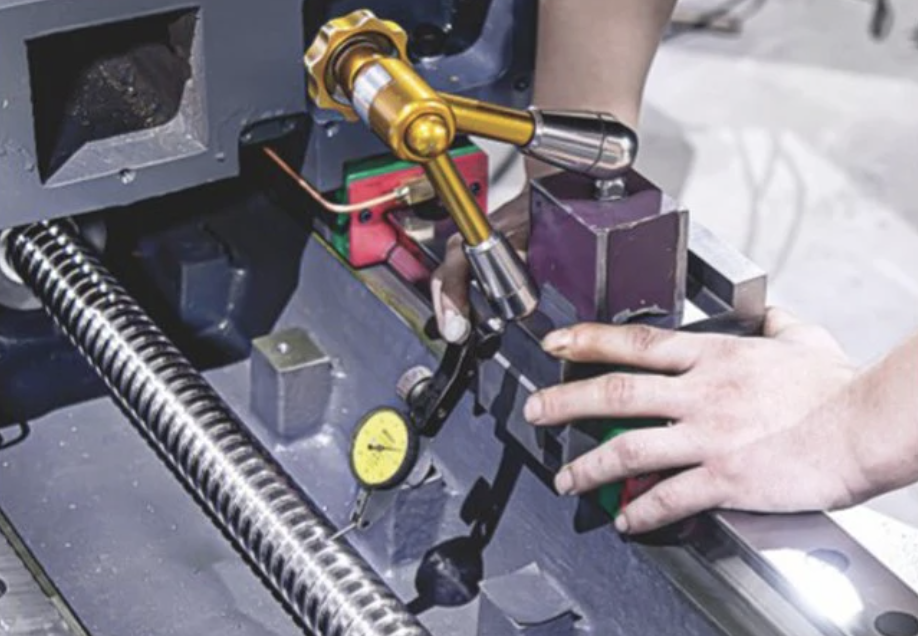
Poor surface finish, inconsistent dimensions, vibration, or an unexpected stop doesn’t always mean something is wrong with your CNC lathe. Worn tooling, poor workholding, and unsuitable cutting parameters can cause many of the same symptoms.
Common problems and solutions for CNC lathes
How to Choose a CNC Lathe for Shaft Machining: A Guide to Types, Models, Materials, and Machining Capacity