What Is The Role of a Process Engineer In Manufacturing
author: Yannis
2025-05-26

Cultivated in CNC Machine Industry for 20+ years.
Specializing in CNC Milling, Drilling, Turning, Tapping, and so on...
Self-created Brand LiSN for 10+ Years



What Is The Role of a Process Engineer In Manufacturing
In the dynamic landscape of modern manufacturing, the role of a process engineer is both multifaceted and critical. At the heart of their responsibilities lies the optimization of production workflows, and when it comes to integrating CNC (Computer Numerical Control) technology, their expertise becomes even more indispensable. CNC machines have revolutionized manufacturing with their precision and efficiency, and process engineers are the architects who ensure these machines are seamlessly incorporated into production lines to drive optimal results. This blog delves into the key role of a process engineer in manufacturing, with a specific focus on their involvement with CNC systems.

Designing and Optimizing Manufacturing Processes
A primary role of a process engineer is to design manufacturing processes that are both efficient and effective. When CNC machines are part of the equation, this involves analyzing the requirements of a product and determining the best way to manufacture it using CNC technology. This includes selecting the right CNC machines for the job, whether it's a CNC mill, CNC lathe, or another type, based on factors such as the material to be machined, the complexity of the part, and the required precision.
Process engineers also optimize the machining parameters for CNC machines. This includes setting the appropriate spindle speeds, feed rates, and cutting depths to ensure that the machining process is not only fast but also produces parts of the highest quality. For example, when machining a complex aluminum component on a CNC mill, a process engineer will determine the optimal settings to minimize tool wear, reduce machining time, and achieve the desired surface finish, all while maintaining tight tolerances.

Integrating CNC Technology into Production Lines
Process engineers play a crucial role in integrating CNC machines into existing or new production lines. This involves more than just installing the machines; it requires a comprehensive understanding of how the CNC systems will interact with other equipment and processes in the manufacturing facility. They must ensure that the CNC machines are properly connected to the factory's network for program transfer and monitoring, and that they are integrated with material handling systems for smooth workflow.
Additionally, process engineers are responsible for developing the necessary workflows and procedures for operating the CNC machines within the production line. This includes creating standard operating procedures (SOPs) for machine setup, operation, and maintenance, as well as designing quality control checkpoints to ensure that parts produced by the CNC machines meet the required specifications.

Troubleshooting and Problem Solving
In any manufacturing environment, issues can arise, and process engineers are the go-to experts for troubleshooting problems related to CNC machining. If a CNC machine is producing parts that are out of tolerance, a process engineer will analyze the problem, which could be caused by factors such as tool wear, incorrect machining parameters, or even a program error. They will then develop a solution, which might involve adjusting the machining parameters, modifying the toolpath in the CNC program, or recommending a tool change.
Another common challenge in CNC machining is tool breakage, which can lead to production delays and increased costs. Process engineers work to identify the root causes of tool breakage, such as excessive cutting forces or improper tool selection, and implement solutions to prevent it from happening again. This might involve selecting a more durable tool material for machining a specific metal on a CNC lathe or adjusting the feed rate to reduce stress on the tool.

Enhancing Efficiency and Productivity
Process engineers are constantly looking for ways to enhance the efficiency and productivity of manufacturing processes, and CNC machines offer significant opportunities in this regard. They might implement lean manufacturing principles to reduce waste in the CNC machining process, such as minimizing material scrap or reducing the time spent on machine setup.
One way process engineers enhance productivity with CNC machines is by implementing lights-out manufacturing, where CNC machines operate unattended for extended periods. This requires careful planning and optimization, including ensuring that the CNC machines have sufficient tooling and that the machining programs are reliable. Process engineers also work on reducing changeover times between different jobs on CNC machines, which involves streamlining the setup process and developing quick-change tooling systems.

Training and Supporting Manufacturing Teams
Process engineers also play an important role in training and supporting the manufacturing teams that operate the CNC machines. They develop training programs to ensure that machine operators have the necessary skills to operate the CNC machines safely and effectively. This includes training on machine operation, program loading and execution, and basic maintenance tasks.
Additionally, process engineers are a source of technical support for the manufacturing teams. If an operator encounters an issue with a CNC machine, the process engineer is there to provide guidance and solutions. They also work with the maintenance team to develop preventive maintenance schedules for the CNC machines, ensuring that they remain in optimal working condition to minimize downtime.

Conclusion
In conclusion, the role of a process engineer in manufacturing is vital, especially when it comes to leveraging CNC technology. From designing and optimizing manufacturing processes involving CNC machines to integrating them into production lines, troubleshooting issues, enhancing efficiency, and training teams, process engineers are the driving force behind successful CNC machining operations. As CNC technology continues to advance, the role of the process engineer will only become more important in ensuring that manufacturers can harness the full potential of these sophisticated machines to produce high-quality products efficiently and cost-effectively.


What Is The CNC Process In Manufacturing
CNC Material Introduction
Related Article
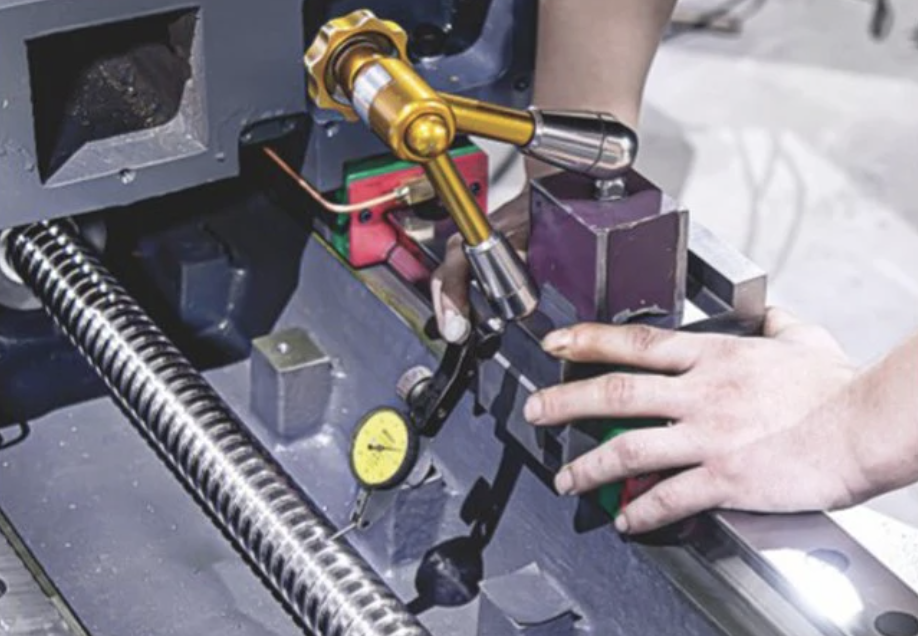
Poor surface finish, inconsistent dimensions, vibration, or an unexpected stop doesn’t always mean something is wrong with your CNC lathe. Worn tooling, poor workholding, and unsuitable cutting parameters can cause many of the same symptoms.
Common problems and solutions for CNC lathes
How to Choose a CNC Lathe for Shaft Machining: A Guide to Types, Models, Materials, and Machining Capacity