When Was The Manual Lathe Invented
author: Yannis
2025-04-07

Cultivated in CNC Machine Industry for 20+ years.
Specializing in CNC Milling, Drilling, Turning, Tapping, and so on...
Self-created Brand LiSN for 10+ Years



When Was The Manual Lathe Invented
The manual lathe has a rich and long-standing history, playing a crucial role in the development of manufacturing. Before the advent of CNC (Computer Numerical Control) technology and CNC machines, manual lathes were the cornerstone of machining processes. Understanding when the manual lathe was invented helps us appreciate the evolution of manufacturing technology.
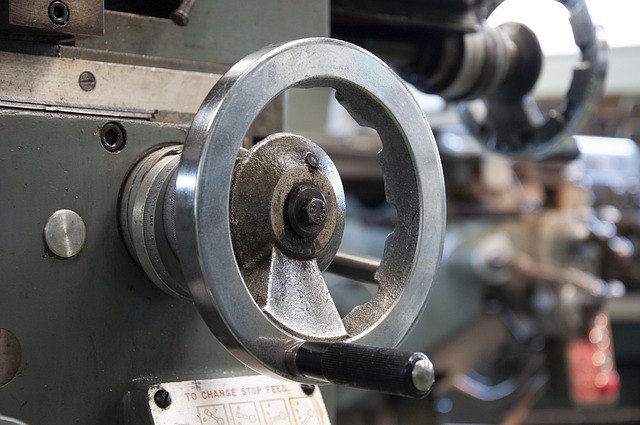
Early Beginnings of the Lathe Concept
The concept of the lathe dates back thousands of years. As early as 1300 BCE, the ancient Egyptians used a two-person lathe. One person would turn a wooden shaft by hand, while the other applied a cutting tool to shape the workpiece. This simple yet revolutionary setup was the precursor to modern lathes. Although far from the sophisticated manual lathes we know today, it established the fundamental principle of a rotating workpiece and a stationary cutting tool.
Development During the Industrial Revolution
The Industrial Revolution in the 18th and 19th centuries was a turning point for the manual lathe. In 1797, Henry Maudslay, an English inventor, designed and built the first screw-cutting lathe. This lathe incorporated a lead screw, which enabled the accurate cutting of threads. Maudslay's innovation was a game-changer. It increased the precision of machining operations and laid the foundation for the mass production of standardized parts. Before this, the production of threaded parts was a labor-intensive and imprecise process.
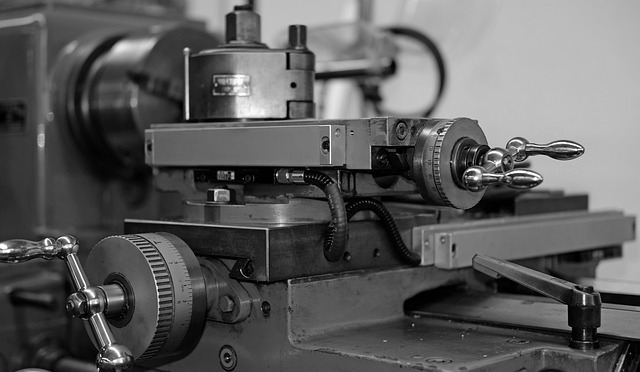
Further Refinements in the 19th Century
Throughout the 19th century, manual lathes continued to evolve. Innovators added features such as adjustable speed controls and more advanced tool-holding mechanisms. These improvements made manual lathes more versatile, allowing them to handle a wider range of materials and machining operations. By the end of the 19th century, manual lathes were widely used in various industries, from manufacturing machinery to shipbuilding.
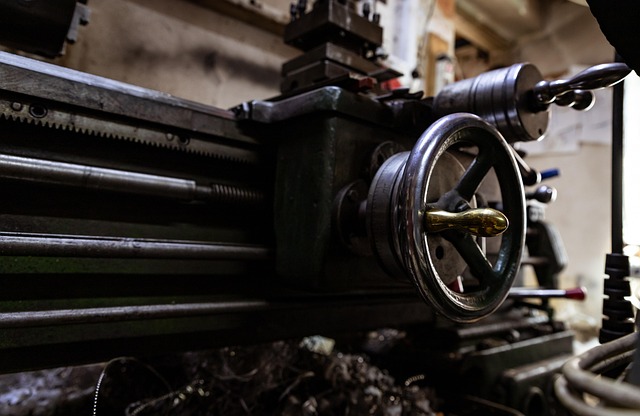
The Rise of CNC Technology and its Impact
In the 1940s and 1950s, CNC technology emerged. The first CNC machines were developed as a response to the need for even higher precision and greater automation in manufacturing. CNC machines operate based on pre-programmed computer instructions, eliminating the need for continuous manual control. However, manual lathes did not become obsolete. They continued to be used, especially in small-scale production, artisanal work, and vocational training.
Why Manual Lathes Persist Despite CNC Advancements
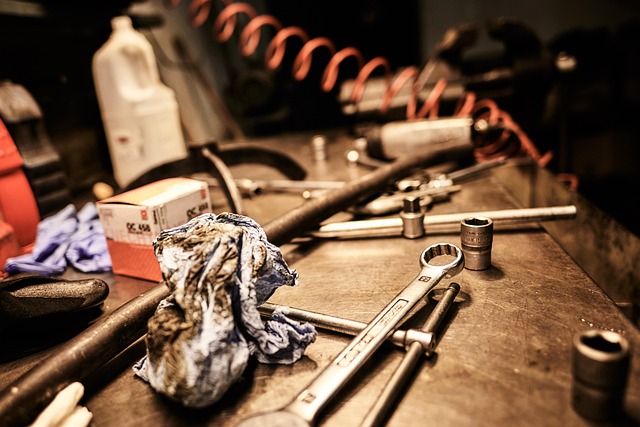
- Hands-on Learning: Manual lathes remain an essential tool for teaching the fundamentals of machining. Students can gain practical experience in understanding material properties, cutting tool principles, and precision machining through direct interaction with the machine. This hands-on knowledge is crucial for future machinists, whether they go on to operate CNC machines or pursue traditional machining careers.
- Flexibility in Small-Scale Production: For one-off projects or custom orders, manual lathes offer a cost-effective and flexible solution. The setup time for a manual lathe is relatively short compared to CNC machines, which often require extensive programming for each new job. A skilled operator can quickly adapt to design changes during the machining process.
Conclusion
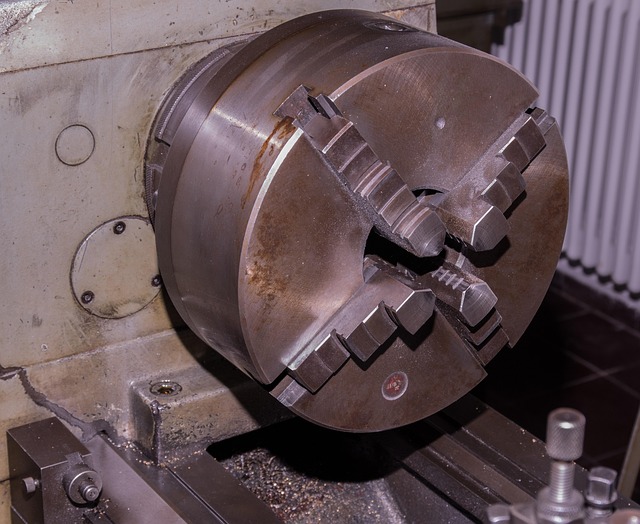
The manual lathe has come a long way since its humble beginnings in ancient Egypt. From the basic two-person lathe to the sophisticated machines of the Industrial Revolution, manual lathes have continuously evolved. Although CNC machines have transformed the manufacturing landscape, manual lathes still hold their ground. They represent a link to our manufacturing heritage and continue to be relevant in modern manufacturing, especially in niche applications and the development of machining skills.


What Is The Difference Between Manual And Automatic Lathe
Are Manual Lathes Still Used
Related Article
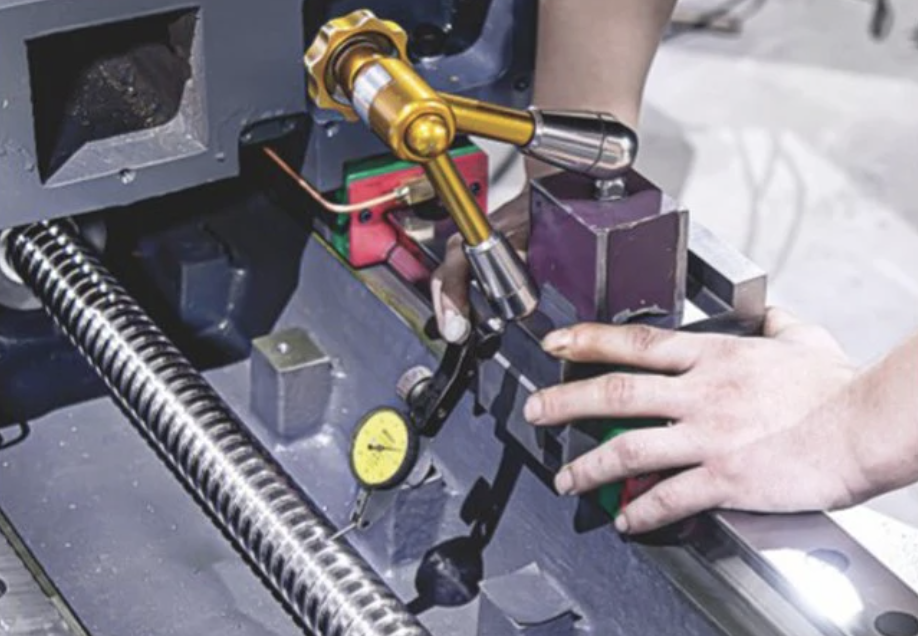
Poor surface finish, inconsistent dimensions, vibration, or an unexpected stop doesn’t always mean something is wrong with your CNC lathe. Worn tooling, poor workholding, and unsuitable cutting parameters can cause many of the same symptoms.
Common problems and solutions for CNC lathes
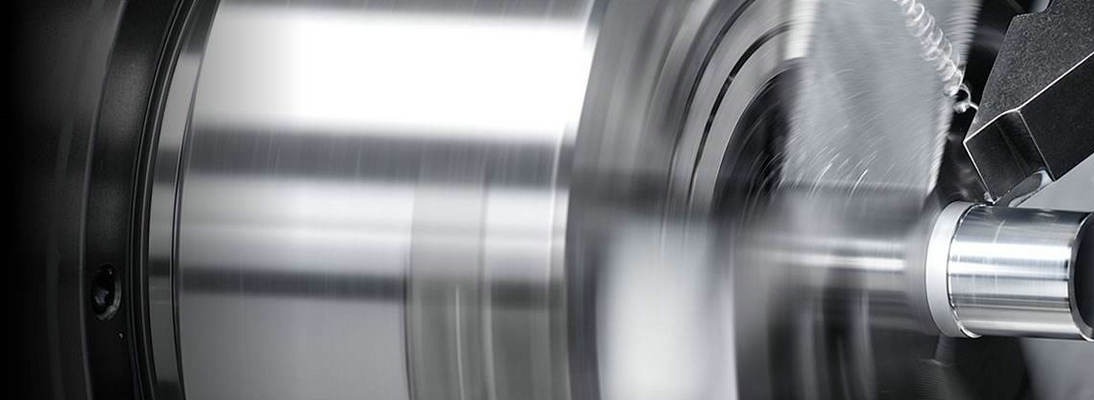
How to Choose a CNC Lathe for Shaft Machining: A Guide to Types, Models, Materials, and Machining Capacity