Which Country Invented CNC Machine
author: Yannis
2025-05-05

Cultivated in CNC Machine Industry for 20+ years.
Specializing in CNC Milling, Drilling, Turning, Tapping, and so on...
Self-created Brand LiSN for 10+ Years



Which Country Invented CNC Machine
In the ever-evolving landscape of manufacturing technology, CNC (Computer Numerical Control) machines have emerged as a revolutionary force. But the question of which country first brought this groundbreaking technology to life is one that piques the curiosity of many. The invention of CNC machines was a significant milestone, transforming traditional machining methods into highly automated and precise processes. This blog will explore the origins of CNC machines, revealing the country responsible for this innovation and the journey that led to its development.
The Birthplace of CNC Machines: The United States
The credit for inventing the CNC machine goes to the United States. The concept of numerical control, the precursor to CNC, began to take shape in the 1940s and 1950s. During this period, the aerospace industry in the U.S. was booming, and there was an increasing demand for more precise and efficient machining methods to produce complex components for aircraft. Manual machining techniques were time-consuming and often lacked the accuracy required for these advanced parts.
In the early 1950s, John T. Parsons, an American engineer, played a pivotal role in the development of CNC. Parsons was working on a project to produce helicopter rotor blades. He realized that using punched cards, similar to those used in early computers, could be a way to control machine tools. His idea was to translate the design of the part into a series of numerical instructions that could guide the movement of the cutting tool on the machine. This concept laid the foundation for what would become CNC technology.
The Early Development Process
Building on Parsons' ideas, the Massachusetts Institute of Technology (MIT) took the initiative to further develop the technology. In 1952, MIT's Servomechanisms Laboratory demonstrated the first working CNC machine. This early CNC machine used a computer to control the movement of a milling machine, marking a significant leap forward in manufacturing technology. The computer, which was large and cumbersome by today's standards, was able to read the instructions from punched cards and send signals to the machine's motors, controlling the position of the cutting tool with greater precision than ever before.
Over the next few years, the technology continued to evolve. Improvements were made to the computer systems, making them more compact and powerful. The use of magnetic tapes replaced punched cards as a more efficient way to store and transfer numerical control programs. These advancements made CNC machines more accessible and practical for a wider range of manufacturing applications.

Impact of the Invention
The invention of CNC machines in the United States had a profound impact on the global manufacturing industry. It not only significantly increased the precision and accuracy of machining but also boosted productivity. CNC machines could operate continuously with minimal human intervention, reducing production times and costs. This made it possible to produce complex parts in large quantities, meeting the growing demands of various industries.
The success of CNC machines in the U.S. inspired other countries to adopt and further develop the technology. European countries and Japan quickly recognized the potential of CNC and began investing in research and development. Each region added its own innovations and improvements, leading to the diverse range of CNC machines available today. However, the United States' role as the birthplace of CNC machines remains a crucial part of manufacturing history.
Conclusion
In conclusion, the CNC machine was invented in the United States, driven by the needs of the aerospace industry and the innovative ideas of engineers like John T. Parsons. The early developments at MIT were instrumental in turning the concept into a practical reality. The invention of CNC machines has since transformed the manufacturing world, and its impact continues to be felt today. While other countries have made significant contributions to the evolution of CNC technology, the United States will always be remembered as the country that gave birth to this revolutionary manufacturing tool.
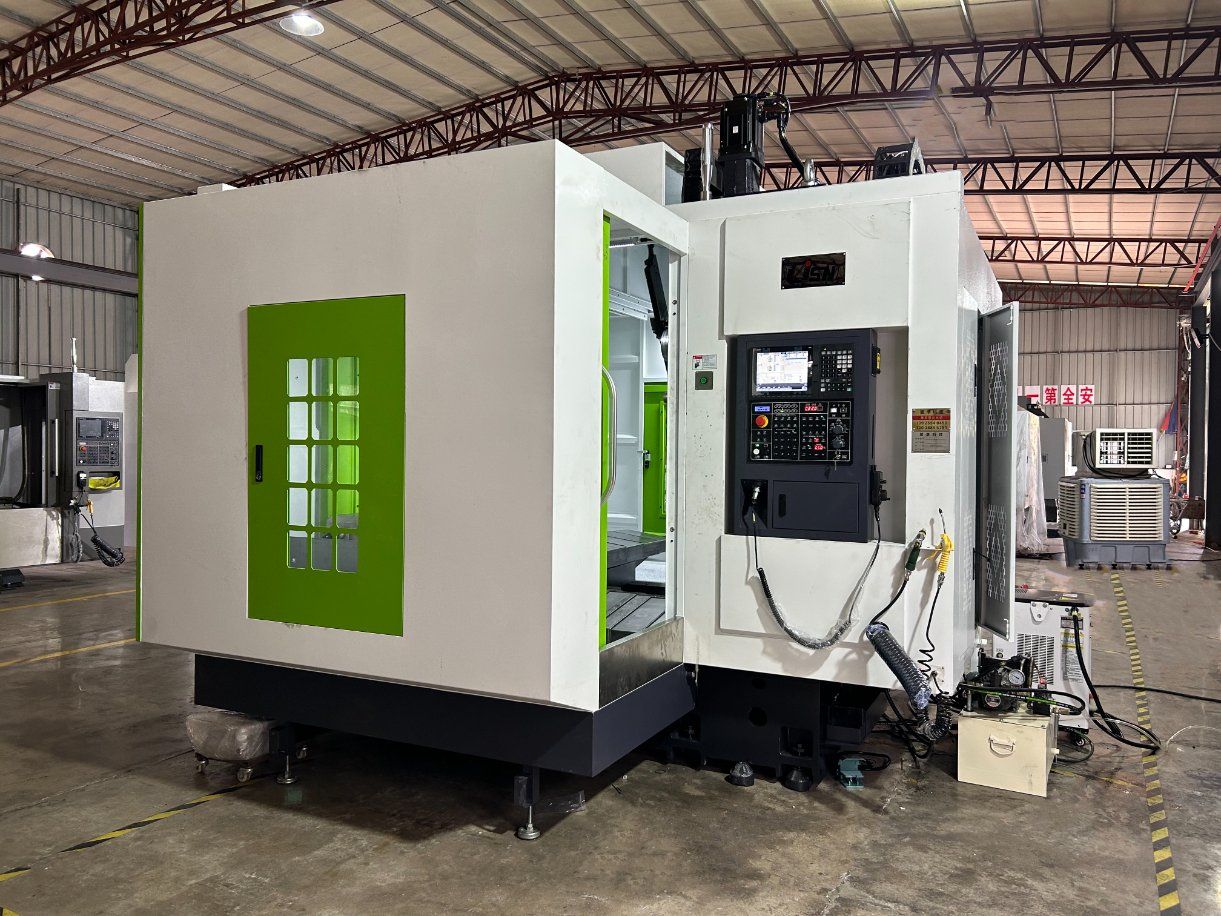
What Is CNC In A Factory
What is CNC Manufacturer
Related Article
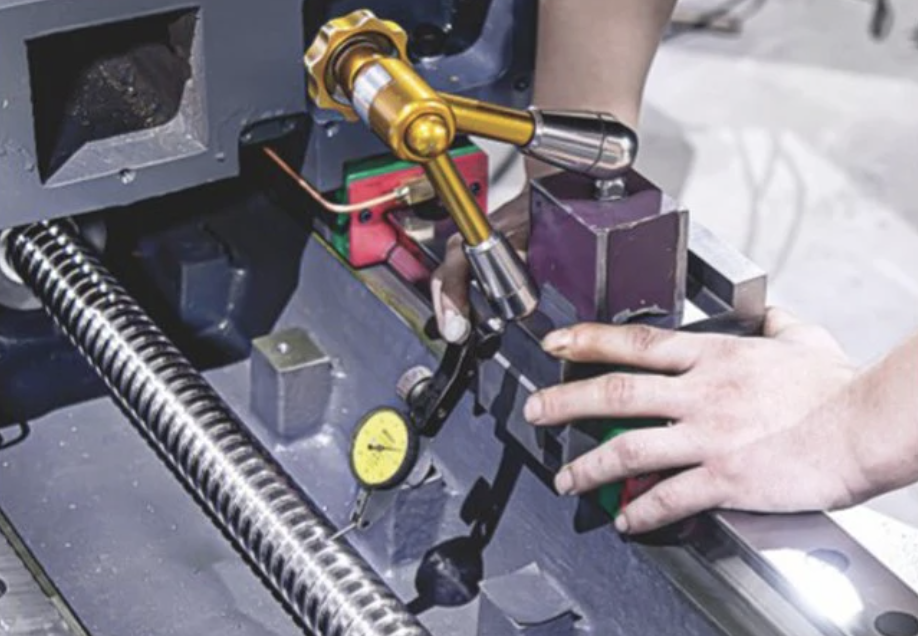
Poor surface finish, inconsistent dimensions, vibration, or an unexpected stop doesn’t always mean something is wrong with your CNC lathe. Worn tooling, poor workholding, and unsuitable cutting parameters can cause many of the same symptoms.
Common problems and solutions for CNC lathes
How to Choose a CNC Lathe for Shaft Machining: A Guide to Types, Models, Materials, and Machining Capacity