Why Is CNC Called CNC
author: Yannis
2025-04-16

Cultivated in CNC Machine Industry for 20+ years.
Specializing in CNC Milling, Drilling, Turning, Tapping, and so on...
Self-created Brand LiSN for 10+ Years



Why Is CNC Called CNC
In the bustling world of modern manufacturing, the term CNC is a staple. But have you ever wondered why is CNC called CNC? Unpacking the origin and significance of this acronym reveals the very essence of the technology powering CNC machines. This blog delves into the etymology and reasoning behind the name CNC, exploring how it reflects the core functions and capabilities of these revolutionary manufacturing tools.

Decoding the Acronym: Computer Numerical Control
The name CNC stems from its full form, Computer Numerical Control. Each word in this phrase plays a crucial role in defining the technology, and together, they explain the fundamental principles on which CNC machines operate.
“Computer”: The Brain Behind the Operation
The first word, “Computer,” highlights the central role of computing technology in CNC. Unlike traditional manual machining, where operators rely on physical controls, CNC machines are governed by computer systems. These computers execute pre-written programs, interpreting instructions and sending precise electrical signals to control the movement of various components within the machine. Whether it’s a CNC lathe shaping a metal rod or a CNC milling machine carving intricate patterns, the computer coordinates every action with millisecond precision.
“Numerical”: Precision through Numbers
“Numerical” refers to the use of numerical data to direct the machining process. In CNC, instructions are translated into numerical codes, most commonly G-code and M-code. G-code, for example, specifies the movement of the machine’s axes, tool paths, and spindle speeds. These numerical values provide an exact blueprint for the CNC machine, enabling it to produce parts with incredibly tight tolerances. With “numerical” control, the machine can achieve accuracies down to microns, ensuring consistency across thousands of identical components.
“Control”: Orchestrating the Machining Process
The final word, “Control,” emphasizes the comprehensive management that CNC systems exert over the machining operation. CNC machines aren’t just automated; they offer precise control over every aspect of the process. From starting and stopping the spindle to changing cutting tools mid-operation, the CNC system monitors and regulates each step. Real-time feedback from sensors further enhances this control, allowing the machine to make instantaneous adjustments for optimal performance.

The Naming Logic Reflected in CNC Machine Operations
To truly understand why CNC is called CNC, it’s essential to observe how these concepts translate into the operation of CNC machines.
When a designer creates a part using CAD software, the digital model is essentially a collection of numerical coordinates. CAM software then converts these coordinates into G-code, which the CNC machine’s computer reads. The computer processes these numerical instructions and sends signals to the servo motors controlling the machine’s axes. As a result, the cutting tool moves precisely along the programmed paths, all under the watchful “control” of the CNC system.
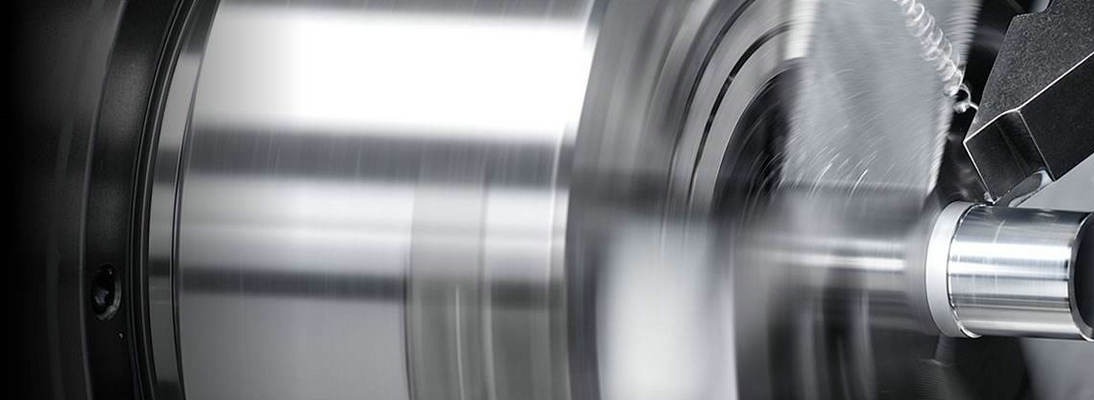
For instance, in a CNC turning operation, the computer uses numerical data to determine the exact depth of cut, the speed at which the workpiece rotates, and the feed rate of the tool. This level of precision, driven by the principles embedded in the name CNC, is what sets CNC machines apart from their manual counterparts.

Historical Context: Cementing the Name
The term CNC emerged during a pivotal period in manufacturing history. In the mid-20th century, as computers began to shrink in size and increase in processing power, they were integrated into machining systems. The combination of computer technology with numerical control methods, which were already in use in rudimentary forms, led to the development of the first CNC machines.
The name “Computer Numerical Control” was coined to clearly distinguish these new automated systems from traditional machining setups. As the technology evolved and became more widespread, the acronym CNC became synonymous with advanced manufacturing capabilities, firmly establishing itself in the industry lexicon.

Impact on the Manufacturing Industry
The naming of CNC as “Computer Numerical Control” not only accurately describes the technology but also underscores its impact on the manufacturing world. The precision, repeatability, and automation enabled by CNC machines have transformed industries ranging from automotive to aerospace.
By adhering to the principles implied by its name, CNC has made it possible to produce complex parts with unrivaled accuracy. It has also increased productivity, allowing for 24/7 operation with minimal human intervention. All these advancements trace back to the fundamental concepts embedded in the name CNC.

Conclusion
In answer to the question why is CNC called CNC, the name is a concise yet comprehensive encapsulation of the technology’s core elements. “Computer Numerical Control” precisely describes the role of computing, the reliance on numerical data, and the level of control that define CNC machines. As manufacturing continues to evolve, the name CNC will remain a testament to the revolutionary technology that has reshaped the industry, reminding us of the principles that drive its innovation.


How Do You Explain What CNC Is
What Does CNC Work Stand For
Related Article
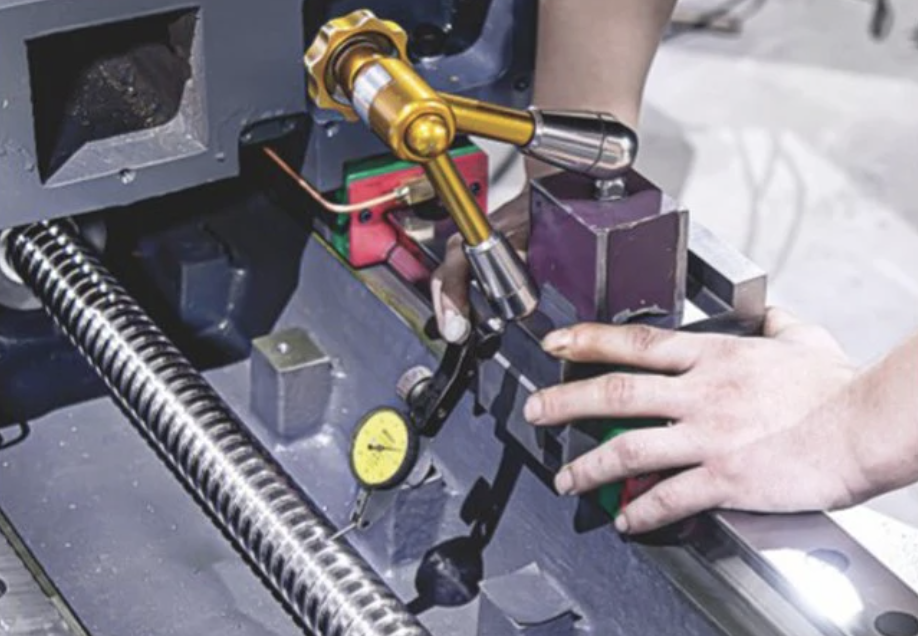
Poor surface finish, inconsistent dimensions, vibration, or an unexpected stop doesn’t always mean something is wrong with your CNC lathe. Worn tooling, poor workholding, and unsuitable cutting parameters can cause many of the same symptoms.
Common problems and solutions for CNC lathes
How to Choose a CNC Lathe for Shaft Machining: A Guide to Types, Models, Materials, and Machining Capacity