
What Is A VMC Machine
author: Yannis
2025-05-09


Cultivated in CNC Machine Industry for 20+ years.
Specializing in CNC Milling, Drilling, Turning, Tapping, and so on...
Self-created Brand LiSN for 10+ Years



What Is A VMC Machine
In the dynamic landscape of modern manufacturing, CNC (Computer Numerical Control) technology has revolutionized the way products are made. Among the various types of CNC machines, VMC (Vertical Machining Center) stands out as a versatile and widely used tool. This blog will explore what a VMC machine is, its working principles, key features, advantages, and applications.
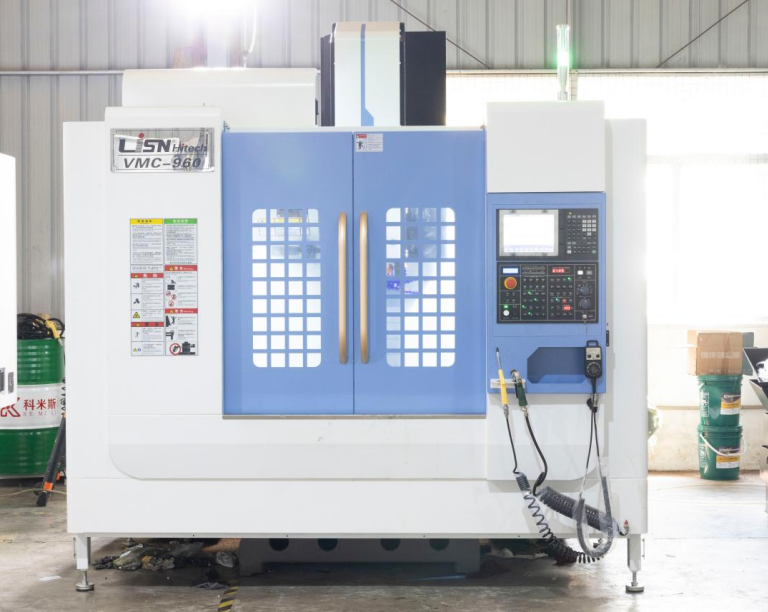
Defining the VMC Machine
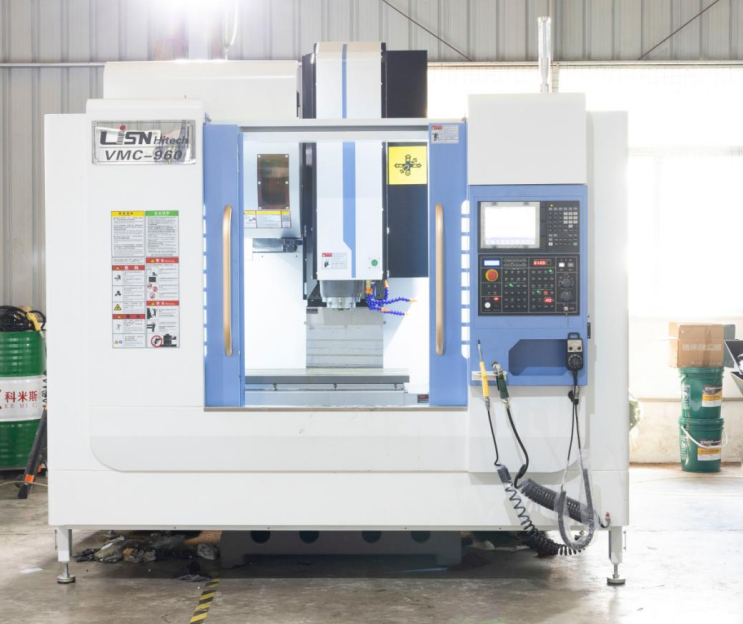
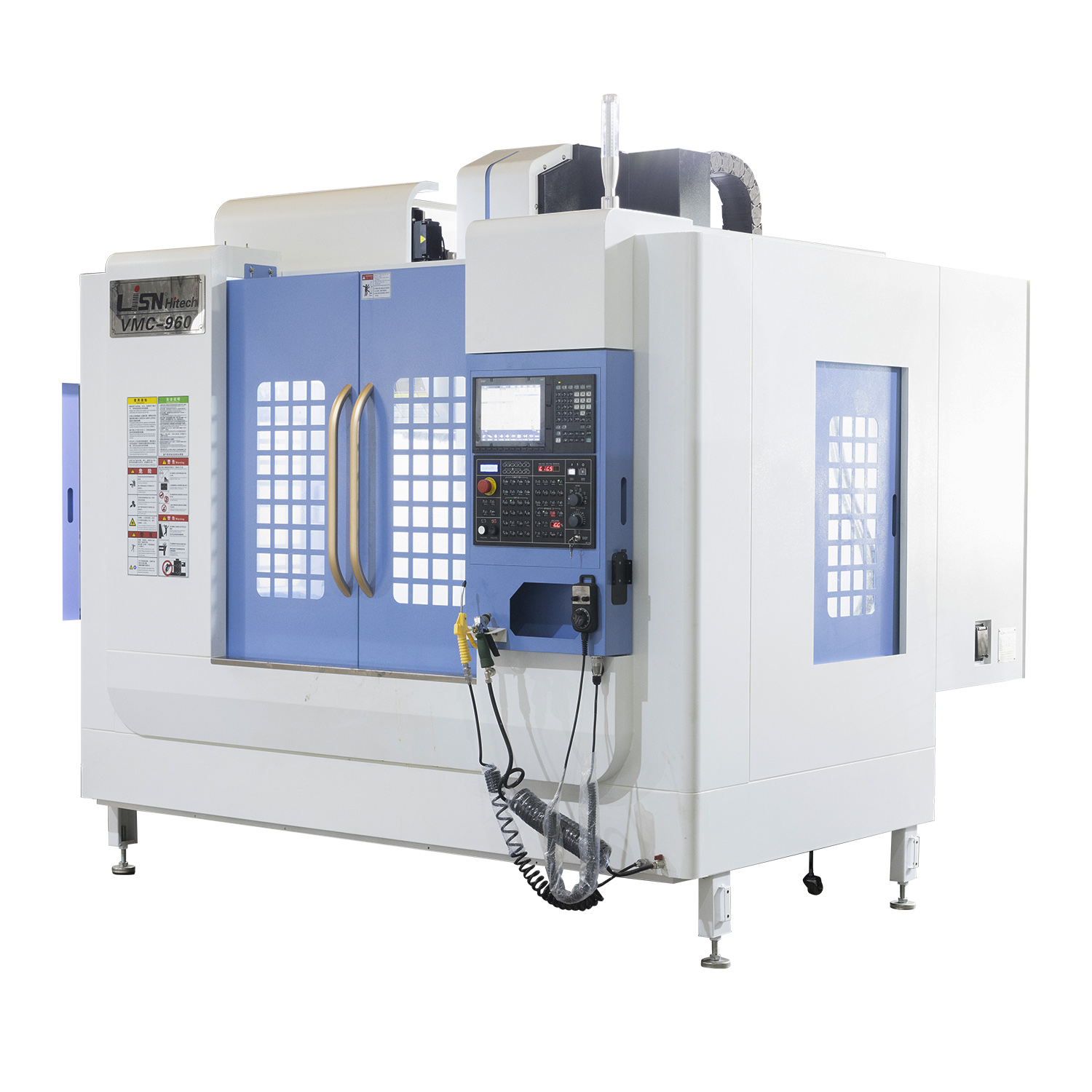
A VMC machine is a type of CNC machine where the spindle axis is oriented vertically. Unlike horizontal machining centers, in a VMC, the cutting tool moves up and down along the vertical axis while the workpiece is secured on a table that can move horizontally along the X and Y axes. This vertical orientation of the spindle offers several unique benefits and makes VMC machines suitable for a wide range of machining operations.
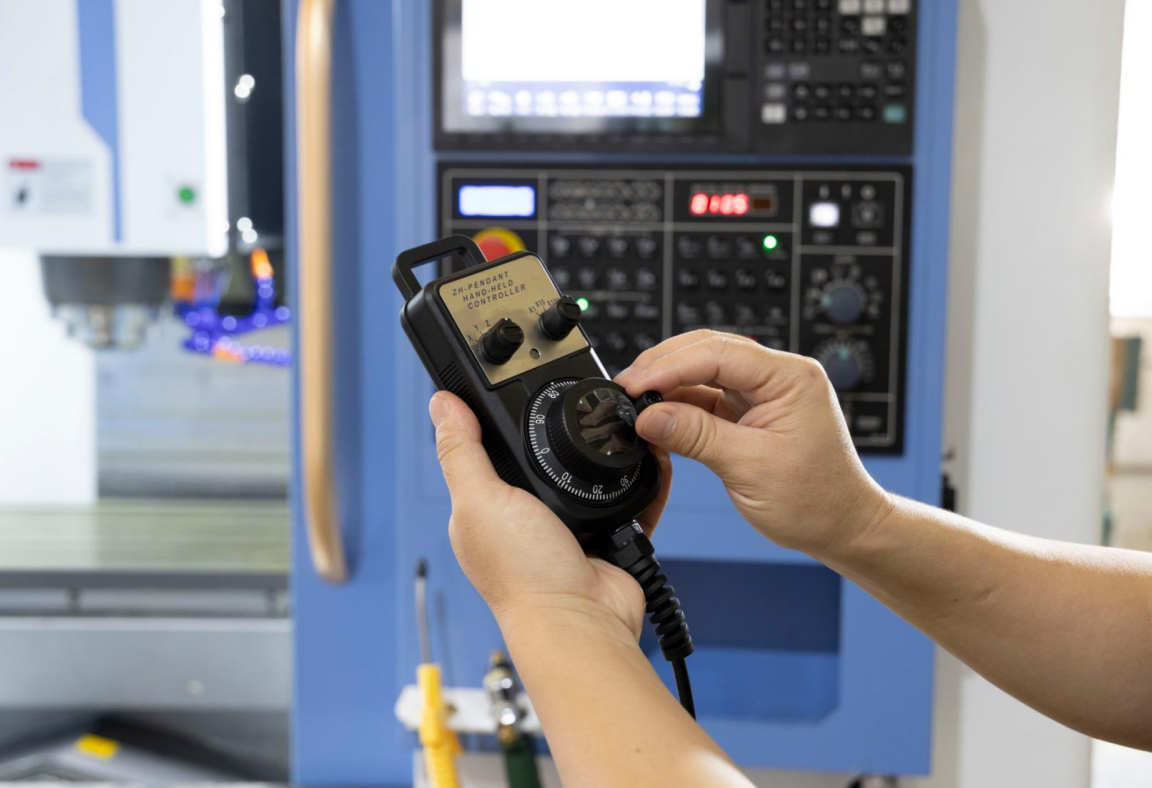
VMC machines are equipped with advanced control systems that interpret pre-programmed instructions, typically in the form of G-code. These instructions guide the movement of the machine's axes, control the spindle speed, and manage the operation of the cutting tools, enabling highly precise and automated machining processes.
How VMC Machines Work
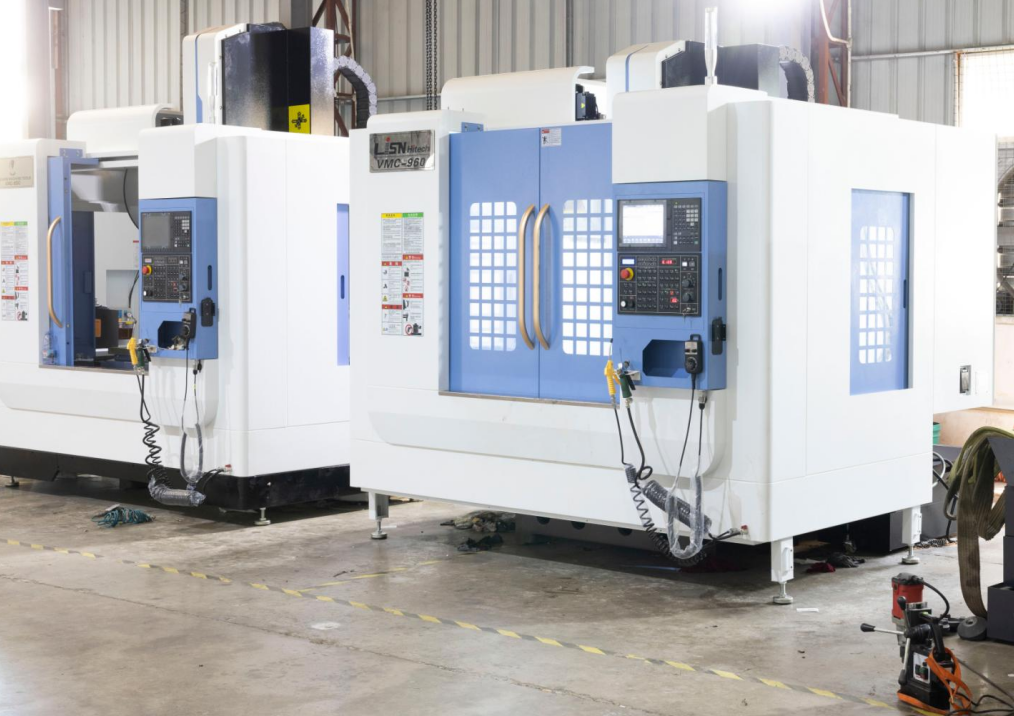
The operation of a VMC machine begins with the design and programming phase. Using Computer-Aided Design (CAD) software, engineers create detailed digital models of the parts to be manufactured. These models are then transferred to Computer-Aided Manufacturing (CAM) software, which generates the G-code program. The CAM software takes into account factors such as the material properties, the desired machining operations (like milling, drilling, or tapping), and the capabilities of the VMC machine.
Once the G-code program is ready, it is loaded into the VMC machine's control system. The workpiece is securely fastened onto the machine's table using fixtures or clamps. As the machine starts, the control system sends electrical signals to the servo motors, which drive the movement of the X, Y, and Z axes. The vertical spindle, holding the cutting tool, rotates at high speeds, and as it moves along the programmed paths, it removes material from the workpiece, gradually shaping it into the desired part.
During the machining process, sensors on the VMC machine continuously monitor various parameters such as tool position, spindle load, and temperature. If any deviations from the programmed values are detected, the control system can make real-time adjustments to ensure the accuracy and quality of the machining.
Key Features of VMC Machines
Vertical Spindle Configuration
The most distinctive feature of VMC machines is their vertical spindle orientation. This setup allows for easy loading and unloading of workpieces, as the top surface of the workpiece is readily accessible. It also simplifies the process of visual inspection during machining, enabling operators to closely monitor the progress. Additionally, the vertical spindle is well-suited for operations that require gravity to assist in chip removal, ensuring a cleaner and more efficient machining process.
Multiple Axes
Most VMC machines are equipped with at least three axes (X, Y, and Z), but many advanced models can have additional axes, such as the A and B axes for rotary motion. The presence of multiple axes provides greater flexibility in machining complex geometries. For example, with a 5-axis VMC machine, parts with intricate shapes and contours can be machined in a single setup, reducing the need for multiple operations and improving accuracy.
Automatic Tool Changers
VMC machines are often fitted with automatic tool changers. These systems can hold a variety of cutting tools, and the machine can automatically select and change the appropriate tool during the machining process according to the requirements of the program. This feature significantly reduces downtime between different machining operations, enhancing productivity and allowing for the production of more complex parts with multiple features.

Applications of VMC Machines
VMC machines find extensive applications across numerous industries. In the aerospace industry, they are used to manufacture components such as aircraft engine parts, wing structures, and landing gear components. The precision and ability to machine complex shapes make VMC machines indispensable for producing high-performance aerospace parts.
In the automotive sector, VMC machines are employed to create engine blocks, transmission components, and custom automotive parts. They help in achieving the high levels of accuracy required for engine performance and ensure the consistent quality of mass-produced parts.
The electronics industry also benefits from VMC machines, which are used to fabricate components like circuit board enclosures, precision parts for connectors, and heat sinks. Additionally, in the mold and die manufacturing industry, VMC machines play a crucial role in creating complex molds and dies with high precision, enabling the production of high-quality plastic and metal products.

Conclusion
In summary, a VMC machine is a powerful and versatile CNC machine with a vertical spindle configuration. Its advanced working principles, key features, and numerous advantages make it a valuable asset in modern manufacturing. With its wide range of applications across various industries, the VMC machine continues to play a vital role in driving innovation and efficiency in the manufacturing world. As technology advances, VMC machines are likely to become even more sophisticated, further expanding their capabilities and applications.


What Is An HMC Machine
What Is CNC Material
Related Article

Poor surface finish, inconsistent dimensions, vibration, or an unexpected stop doesn’t always mean something is wrong with your CNC lathe. Worn tooling, poor workholding, and unsuitable cutting parameters can cause many of the same symptoms.
Common problems and solutions for CNC lathes

How to Choose a CNC Lathe for Shaft Machining: A Guide to Types, Models, Materials, and Machining Capacity

