What Is Drilling And Tapping
author: Yannis
2025-06-04

Cultivated in CNC Machine Industry for 20+ years.
Specializing in CNC Milling, Drilling, Turning, Tapping, and so on...
Self-created Brand LiSN for 10+ Years



What Is Drilling And Tapping
In the realm of CNC (Computer Numerical Control) manufacturing, drilling and tapping are fundamental processes that play a crucial role in creating functional components. Whether producing a simple bracket or a complex engine block, these operations enable the creation of holes and threads that allow parts to be assembled, connected, or fastened. This blog explores what drilling and tapping entail, how they are executed on CNC machines, and why they are essential in modern manufacturing.

Understanding Drilling in CNC Machining
Drilling is the process of creating cylindrical holes in a workpiece using a rotating cutting tool called a drill bit. On a CNC machine, this operation is highly precise, with the machine’s controller dictating the exact position, depth, and speed of the drill. Unlike manual drilling, which relies on operator skill to maintain accuracy, CNC drilling ensures consistent results batch after batch. For example, a CNC machining center can drill dozens of holes in an engine block, each positioned with millimeter-level precision, a task that would be time-consuming and error-prone if done manually.
The Mechanics of CNC Drilling
CNC drilling begins with a digital design with the hole’s coordinates, diameter, and depth specified. The CNC machine then positions the drill bit using its linear axes (X, Y, Z) and rotates it at a programmed speed. The feed rate, or how quickly the drill bit advances into the workpiece, is carefully controlled to match the material being drilled. For instance, drilling aluminum requires a different speed and feed rate than drilling stainless steel to prevent tool wear and ensure a clean hole. Advanced CNC machines can even perform deep-hole drilling, where the hole depth is several times its diameter, by periodically retracting the drill bit to clear chips and cool the tool.

Exploring Tapping: Creating Internal Threads
Tapping is the process of cutting internal threads into a pre-drilled hole, allowing it to accept a screw or bolt. This operation is essential for making parts that need to be fastened together. On a CNC machine, tapping is executed with a tap tool, which resembles a screw with cutting edges. The CNC machine controls the tap’s rotation and feed rate to ensure the threads are cut uniformly and to the correct pitch. Unlike manual tapping, which can result in stripped threads or uneven cuts, CNC tapping delivers consistent, high-quality threads every time.
The Precision of CNC Tapping
CNC tapping requires precise coordination between the CNC machine’s spindle rotation and linear movement. The machine must feed the tap into the hole at a rate that matches the thread pitch, a process called "rigid tapping." For example, tapping a 1/4-20 thread (20 threads per inch) requires the tap to advance 1/20th of an inch for each full rotation. CNC machines with rigid tapping capabilities maintain this precise ratio, ensuring the threads are cut correctly. This precision is critical in applications like aerospace, where loose or stripped threads can compromise the safety of an entire system.
The Role of Drilling and Tapping Machine Centers
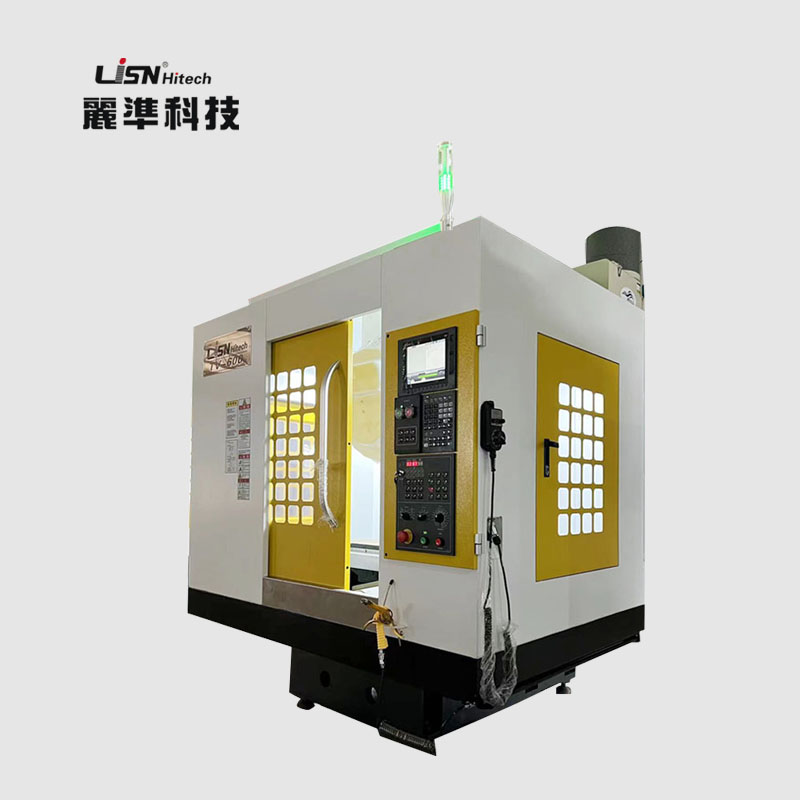
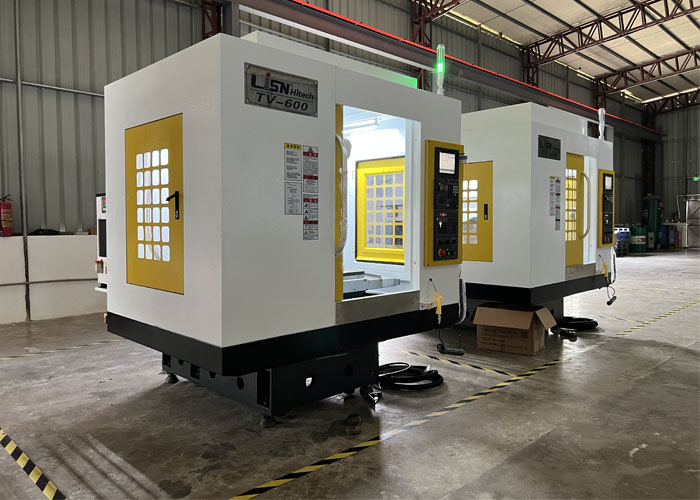
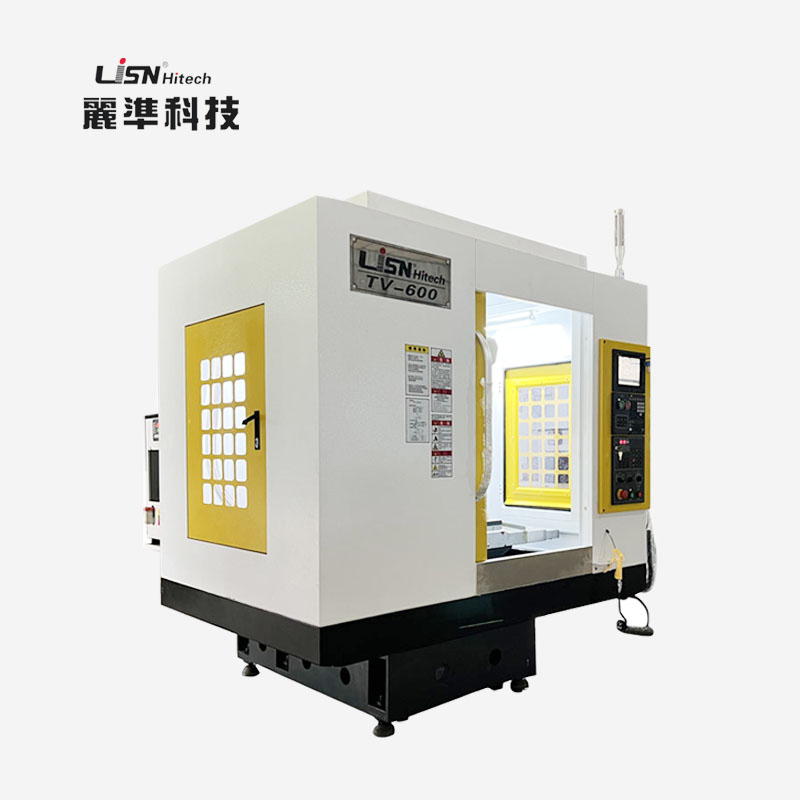
A drilling and tapping machine center is a specialized CNC machine designed to excel in these operations. These machines often feature high spindle speeds, rapid traverse rates, and automatic tool changers, making them ideal for producing parts with multiple holes and threads. A drilling and tapping machine center can quickly switch between drill bits and taps, allowing it to perform both operations in a single setup. For example, it can drill a hole, switch to a tap, and cut threads without repositioning the workpiece, saving time and improving accuracy.
Advantages of Dedicated Drilling and Tapping Machine Centers
Dedicated drilling and tapping machine centers offer several advantages over general-purpose CNC machines:
- Speed: They are optimized for fast drilling and tapping, with spindle speeds that can reach up to 20,000 RPM, reducing cycle times.
- Precision: These machines are built with rigid frames and high-precision drives to ensure hole positions and thread quality.
- Efficiency: Automatic tool changers and quick setup times make them ideal for high-volume production.
- Versatility: They can handle a wide range of materials, from aluminum and steel to plastics and composites.
Applications of Drilling and Tapping in Manufacturing
Drilling and tapping are used in almost every manufacturing industry:
- Automotive: Creating holes for bolts and threads in engine blocks, chassis components, and transmission parts.
- Aerospace: Drilling lightening holes in aircraft structures and tapping threads for fasteners in critical components.
- Medical Devices: Producing precise holes and threads in surgical instruments and implantable devices.
- Electronics: Drilling tiny holes in circuit boards and tapping threads for mounting components.
- Consumer Products: Creating holes for screws and assembly in everything from furniture to kitchen appliances.
Combining Drilling, Tapping, and Other CNC Operations
In many casoperationsing and tapping are part of a larger manufacturing process. A CNC machine can perform multiple operaions, such as milling, turning, drilling, and tapping, in a single setup, creating complex parts efficiently. For example, a CNC machining center can mill the shape of a bracket, drill holes for mounting, and tap threads for screws, all without moving the workpiece. This reduces setup time, minimizes errors, and ensures that all features are perfectly aligned.
Drilling and tapping are essential processes in CNC machining, enabling the creation of holes and threads that are vital for part functionality and assembly. Whether performed on a general-purpose CNC machine or a specialized drilling and tapping machine center, these operations deliver the precision and consistency that modern manufacturing demands. As technology advances, CNC machines continue to improve the speed and accuracy of drilling and tapping, making them even more integral to industries ranging from automotive to aerospace. Understanding these processes helps shed light on the complexity and precision behind the countless products we use every day.
What Is Drilling And Tapping Machine Center
What Is CNC Good For
Related Article
Poor surface finish, inconsistent dimensions, vibration, or an unexpected stop doesn’t always mean something is wrong with your CNC lathe. Worn tooling, poor workholding, and unsuitable cutting parameters can cause many of the same symptoms.
Common problems and solutions for CNC lathes
How to Choose a CNC Lathe for Shaft Machining: A Guide to Types, Models, Materials, and Machining Capacity