
What Is In CNC Machine
author: Yannis
2025-06-05


Cultivated in CNC Machine Industry for 20+ years.
Specializing in CNC Milling, Drilling, Turning, Tapping, and so on...
Self-created Brand LiSN for 10+ Years



What Is In CNC Machine
In the precision-driven world of modern manufacturing, a CNC (Computer Numerical Control) machine is a marvel of engineering, combining hardware and software to transform digital designs into physical components. Understanding what lies within a CNC machine reveals the complexity behind its ability to produce parts with micrometer-level accuracy. This blog explores the core components of a CNC machine, from its mechanical structure to its digital brain, and how they work together to enable precision manufacturing.
The Mechanical Framework: Foundations of Precision
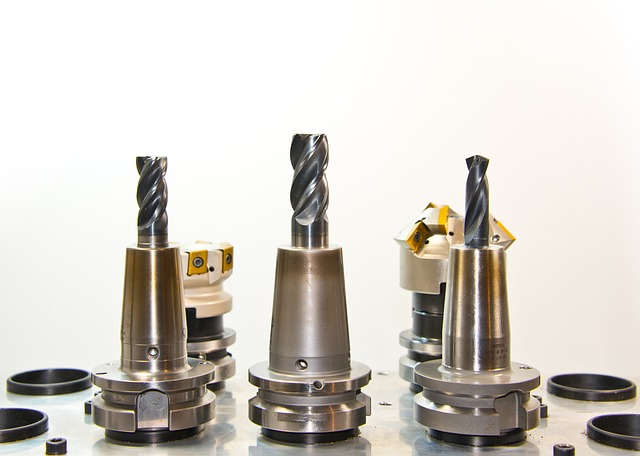
At the heart of every CNC machine is a rigid mechanical structure designed to minimize vibration and ensure stability during machining. This framework typically includes:
The Machine Base and Column: Constructed from cast iron or welded steel, the base provides a stable foundation, while the column supports the spindle and linear axes. For example, a CNC mill's base may weigh several tons to absorb cutting forces, preventing tool deflection that could compromise part accuracy.
Linear Guides and Ball Screws: These components translate the machine’s motor movements into precise linear motion along the X, Y, and Z axes. High-precision ball screws convert rotational motion into linear movement with minimal backlash, while linear guides ensure smooth, frictionless travel. A CNC lathe uses these to move the tool rest along the workpiece with micron-level precision.
Spindle Assembly: The spindle holds the cutting tool and rotates it at high speeds. In a CNC machining center, the spindle may reach speeds of 10,000–40,000 RPM, allowing efficient material removal. Advanced spindles use ceramic bearings to reduce heat and noise, critical for maintaining precision during long machining cycles.
The Motor System: Driving Accurate Movement
CNC machines rely on sophisticated motor systems to achieve precise axis control:
Servo Motors: These high-precision motors provide the power to move the axes. Unlike standard motors, servo motors include feedback systems (encoders) that constantly report their position to the machine’s controller, enabling real-time adjustments. For instance, if a CNC router encounters resistance while cutting metal, the servo motor adjusts its torque to maintain the programmed feed rate.
Stepper Motors: Commonly used in entry-level CNC machines, stepper motors move in discrete steps, making them suitable for less demanding applications. A hobbyist CNC router might use stepper motors to carve wooden parts, where tight tolerances are not critical.
Drive Electronics: These components convert the controller’s signals into power for the motors. They regulate voltage and current to ensure smooth, accurate movement, even when the machine is executing complex toolpaths.
The Tooling System: Enabling Diverse Machining Operations
A CNC machine’s tooling system is key to its versatility:
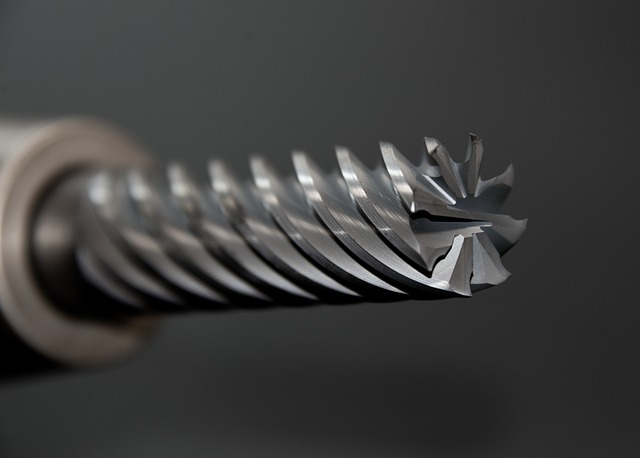
Tool Holders and Chucks: These secure the cutting tools to the spindle. In a CNC lathe, a chuck holds the workpiece, while a tool turret holds multiple cutting tools. In a milling machine, collets or tool holders grip end mills, drills, and taps.
Automatic Tool Changers (ATC): Advanced CNC machines feature ATCs that automatically swap tools during operation. A CNC machining center might have a tool magazine holding 20–100 tools, allowing it to switch from a drill to a mill to a tap without manual intervention, enhancing efficiency for complex parts.
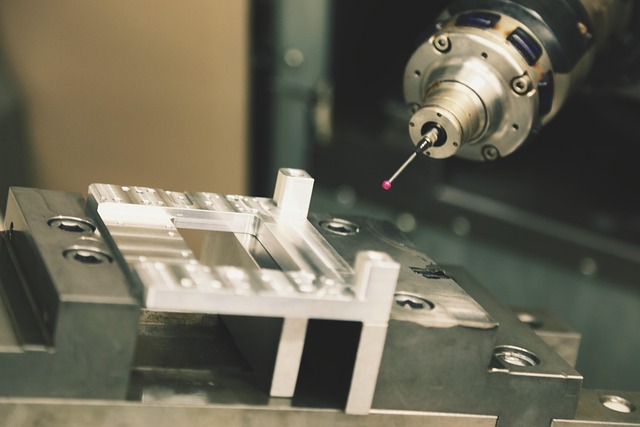
Tool Presetters and Sensors: These devices measure tool length and diameter, ensuring the machine compensates for variations. A tool presetter in a CNC mill can detect wear on a drill bit and adjust the program to maintain hole depth accuracy.
The Control System: The Brain of the CNC Machine
The control system is where digital instructions become physical movement:
CNC Controller: This hardware unit processes G-code programs and sends signals to the motors. Modern controllers use microprocessors and advanced algorithms to handle complex 3-axis or 5-axis movements. For example, a 5-axis CNC machine’s controller coordinates linear and rotational axes simultaneously to machine a turbine blade’s curved surface.
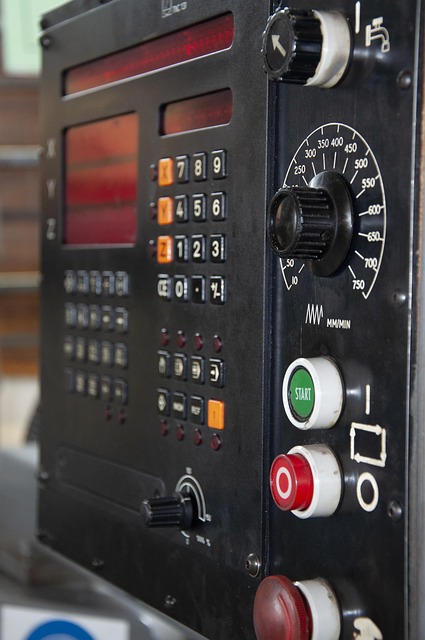
Human-Machine Interface (HMI): The HMI is the operator’s window into the machine, featuring a touchscreen or keypad for program loading, parameter setting, and real-time monitoring. An operator can use the HMI to adjust feed rates or override settings on a CNC lathe during a test run.
Software Integration: CNC machines rely on software to translate designs into machine instructions:
- Computer-Aided Design (CAD) software creates 3D models.
- Computer-Aided Manufacturing (CAM) software converts models into G-code toolpaths.
- Machine-specific software optimizes toolpaths for the machine’s capabilities, such as a CNC router’s software that adjusts for material type and tool geometry.
Cooling and Chip Management Systems: Maintaining Performance
To ensure consistent machining quality, CNC machines include systems to manage heat and debris:
Coolant/Lubrication Systems: These deliver cutting fluid to the tool-workpiece interface, reducing heat and friction. A CNC mill machining steel may use flood coolant to prevent tool overheating, while a lathe might use mist lubrication for aluminum parts.
Chip Conveyors and Extractors: These remove chips and debris from the work area, preventing buildup that could interfere with machining. A horizontal CNC machining center might have a spiral chip conveyor to carry away swarf from deep holes.
Safety Features: Protecting Operators and Equipment
Modern CNC machines incorporate multiple safety mechanisms:
Emergency Stop Buttons: These immediately halt all machine movement in case of an error or hazard.Enclosure Interlocks: Guards around the work area stop the machine if opened, protecting operators from moving parts.Overload Protection: Sensors detect excessive forces or temperatures, shutting down the machine to prevent damage. For example, a CNC lathe will stop if a tool breaks and causes excessive vibration.
Conclusion: The Sum of Its Parts
A CNC machine is more than a collection of components; it’s a symphony of mechanics, electronics, and software working in unison to achieve manufacturing precision. From the rigid base that anchors its movements to the controller that interprets digital instructions, every part plays a role in transforming a CAD model into a tangible product. As technology advances—with faster controllers, smarter software, and more durable materials—the capabilities of CNC machines continue to expand, driving innovation in industries from aerospace to medical devices. Understanding what lies within these machines reveals not just their complexity but also the endless possibilities they unlock in modern manufacturing.


What Is Drilling In CNC Machine
What Is Drilling And Tapping Machine Center
Related Article

Poor surface finish, inconsistent dimensions, vibration, or an unexpected stop doesn’t always mean something is wrong with your CNC lathe. Worn tooling, poor workholding, and unsuitable cutting parameters can cause many of the same symptoms.
Common problems and solutions for CNC lathes

How to Choose a CNC Lathe for Shaft Machining: A Guide to Types, Models, Materials, and Machining Capacity

