You are worth collecting the causes and precautions for six common defects of the casting
author: LiSN
2026-07-17

Cultivated in CNC Machine Industry for 20+ years.
Specializing in CNC Milling, Drilling, Turning, Tapping, and so on...
Self-created Brand LiSN for 10+ Years



You are worth collecting the causes and precautions for six common defects of the casting
In the manufacturing industry, casting is a fundamental process, and the quality of castings directly affects the performance of subsequent products. When CNC (Computer Numerical Control) machines are used for further processing of castings, the quality of the castings becomes even more crucial. Defects in castings can lead to inefficiencies in CNC machining, increased production costs, and potential product failures. This blog will explore six common defects in castings, their causes, and the precautions that can be taken to avoid them, highlighting the importance of high-quality castings in the context of CNC manufacturing.
1. Porosity
Causes
Porosity in castings occurs when gas becomes trapped within the molten metal during the casting process. This can be due to several reasons, such as the presence of moisture in the mold materials, improper venting of the mold, or the use of metals with high gas solubility. For example, if the sand used in sand casting contains too much moisture, it will release steam during the pouring of the molten metal, creating gas bubbles that get trapped as the metal solidifies. When these castings are later processed on CNC machines, the porosity can cause issues like tool breakage due to uneven material density or affect the surface finish of the machined part.
Precautions
To prevent porosity, proper drying of mold materials is essential. Using vacuum degassing techniques for the molten metal can also remove dissolved gases before casting. Additionally, ensuring that the mold has adequate vents to allow the escape of gases during the filling process is crucial. In the case of sand casting, using sand with low moisture content and appropriate binders can significantly reduce the occurrence of porosity, providing a better-quality base for subsequent CNC machining.
2. Shrinkage
Causes
Shrinkage defects happen when the molten metal contracts as it cools and solidifies. If the metal does not have a proper supply of additional molten metal to compensate for this contraction, voids or cavities will form in the casting. This can be a result of incorrect gating and riser design, where the gating system fails to deliver enough metal to the areas that need it most during solidification. When such castings are machined on CNC machines, the shrinkage areas can lead to dimensional inaccuracies and weaken the structural integrity of the final product.
Precautions
Designing an appropriate gating and riser system is key to preventing shrinkage. Risers should be placed in strategic locations to supply molten metal to the casting as it solidifies, ensuring that all areas of the casting receive the necessary material to compensate for contraction. Using computer-aided design (CAD) and simulation software can help optimize the gating and riser design before actual casting, reducing the likelihood of shrinkage defects and ensuring that the castings are suitable for CNC machining.
3. Sand Inclusion
Causes
Sand inclusion occurs when sand particles from the mold become embedded in the casting. This can happen if the mold surface is not smooth, if the sand is of poor quality, or if there is excessive turbulence during the pouring of the molten metal. The presence of sand inclusions can damage the cutting tools of CNC machines during machining and also affect the surface finish and mechanical properties of the part.
Precautions
Using high-quality mold sand with good bonding properties and proper grain size can minimize sand inclusion. Ensuring that the mold surface is smooth and free of loose sand particles before pouring is also important. Additionally, controlling the pouring speed and angle to reduce turbulence can prevent sand from being washed into the molten metal, resulting in cleaner castings that are more suitable for CNC machining.
4. Cracking
Causes
Cracking in castings can be caused by several factors, including thermal stress, mechanical stress, or the presence of impurities in the metal. Rapid cooling of the casting can lead to thermal stress, causing the metal to crack as it contracts unevenly. Mechanical stress, such as improper handling during the casting process or excessive pressure during solidification, can also result in cracks. When these cracked castings are processed on CNC machines, the cracks can propagate, leading to part failure and potential safety hazards.
Precautions
Controlling the cooling rate of the casting is crucial to prevent thermal cracking. Using insulation materials around the mold or gradually cooling the casting in a controlled environment can help relieve thermal stress. Ensuring proper handling of the casting during the process and using high-purity metals can reduce the risk of cracking due to mechanical stress and impurities. By producing crack-free castings, manufacturers can ensure smooth CNC machining and reliable final products.
5. Surface Roughness
Causes
Surface roughness in castings can be due to factors such as the quality of the mold surface, the type of casting process used, and the properties of the molten metal. A rough mold surface will transfer its texture to the casting, and certain casting processes may inherently produce more rough surfaces. When CNC machines are used to machine castings with rough surfaces, it can increase the machining time, wear out the cutting tools more quickly, and affect the final dimensional accuracy of the part.
Precautions
Using molds with smooth surfaces and proper finishing can significantly reduce surface roughness. Selecting the appropriate casting process for the required surface finish is also important. For example, investment casting can produce castings with a smoother surface compared to some other methods. Additionally, controlling the temperature and flow of the molten metal can help improve the surface quality of the casting, making it more conducive to efficient CNC machining.
6. Dimensional Inaccuracy
Causes
Dimensional inaccuracy in castings can result from factors such as mold shrinkage, thermal expansion and contraction of the metal during the casting process, or errors in the mold design. If the mold dimensions are not accurately calculated or if the metal shrinks more than expected during solidification, the final casting will deviate from the desired dimensions. When these inaccurately dimensioned castings are machined on CNC machines, it can lead to parts that do not meet the design requirements, requiring additional machining or even scrapping of the parts.
Precautions
Accurate mold design and proper consideration of metal shrinkage factors are essential. Using shrinkage allowances in the mold design based on the specific metal being cast can help compensate for dimensional changes during solidification. Employing advanced measurement techniques to monitor the dimensions of the casting during the process and making real-time adjustments if necessary can also improve dimensional accuracy. By ensuring that the castings have accurate dimensions, CNC machining can be carried out more effectively, reducing waste and improving production efficiency.
Conclusion
Understanding the causes and taking precautions against common casting defects is vital in the manufacturing industry, especially when considering the use of CNC machines for further processing. High-quality castings without these defects not only ensure smooth CNC machining but also contribute to the production of reliable and high-performance final products. By implementing the above-mentioned precautions, manufacturers can improve the quality of their castings, enhance the efficiency of CNC manufacturing, and ultimately gain a competitive edge in the market.


How to Use a CNC Milling Machine: A Complete Guide for Beginners and Professionals
CNC Milling Machine Buyer's Guide (2026)
Related Article
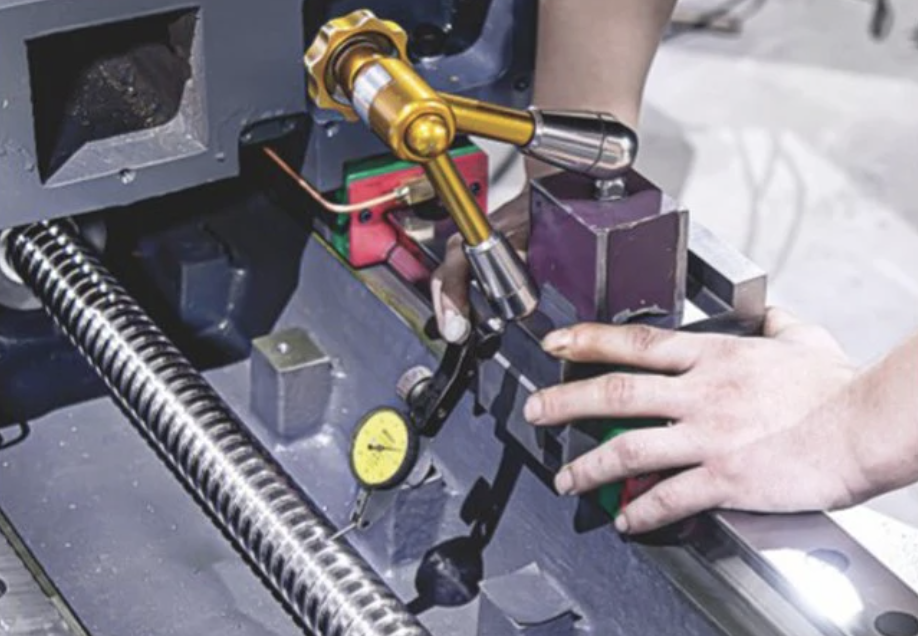
Poor surface finish, inconsistent dimensions, vibration, or an unexpected stop doesn’t always mean something is wrong with your CNC lathe. Worn tooling, poor workholding, and unsuitable cutting parameters can cause many of the same symptoms.
Common problems and solutions for CNC lathes
How to Choose a CNC Lathe for Shaft Machining: A Guide to Types, Models, Materials, and Machining Capacity